Digital ministry must go beyond content creation to shape identity, values and faith formation, say young Asian communicators at AEYA-2026
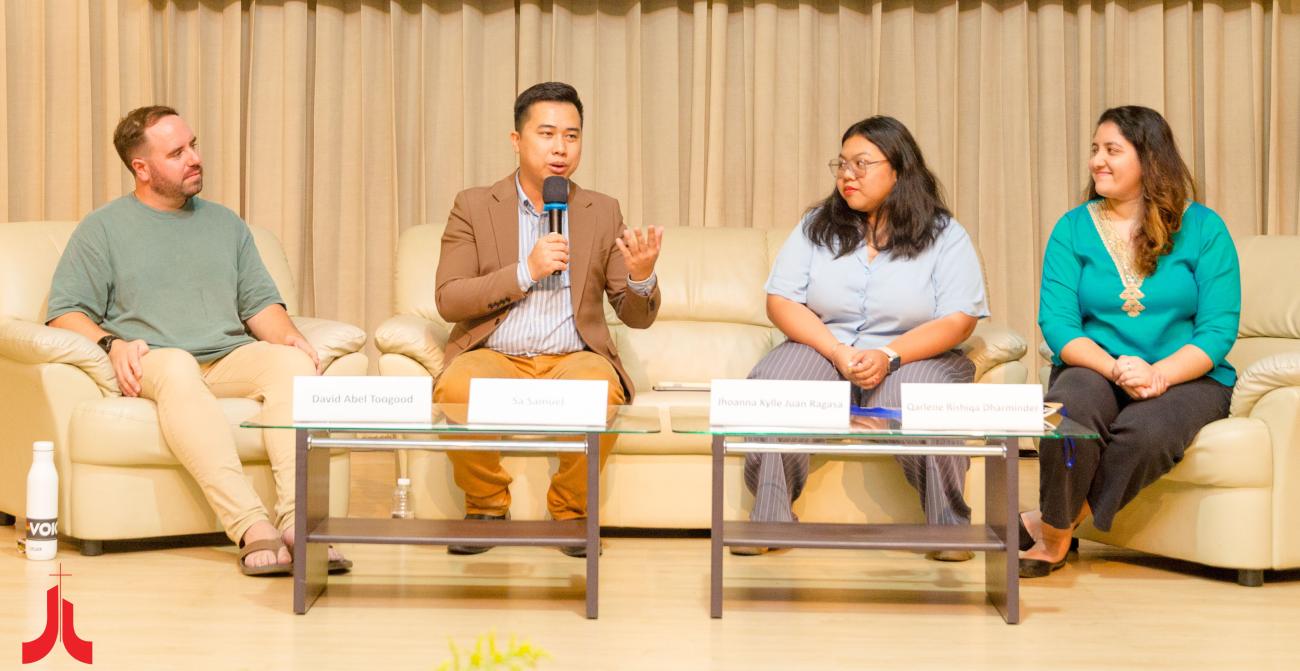
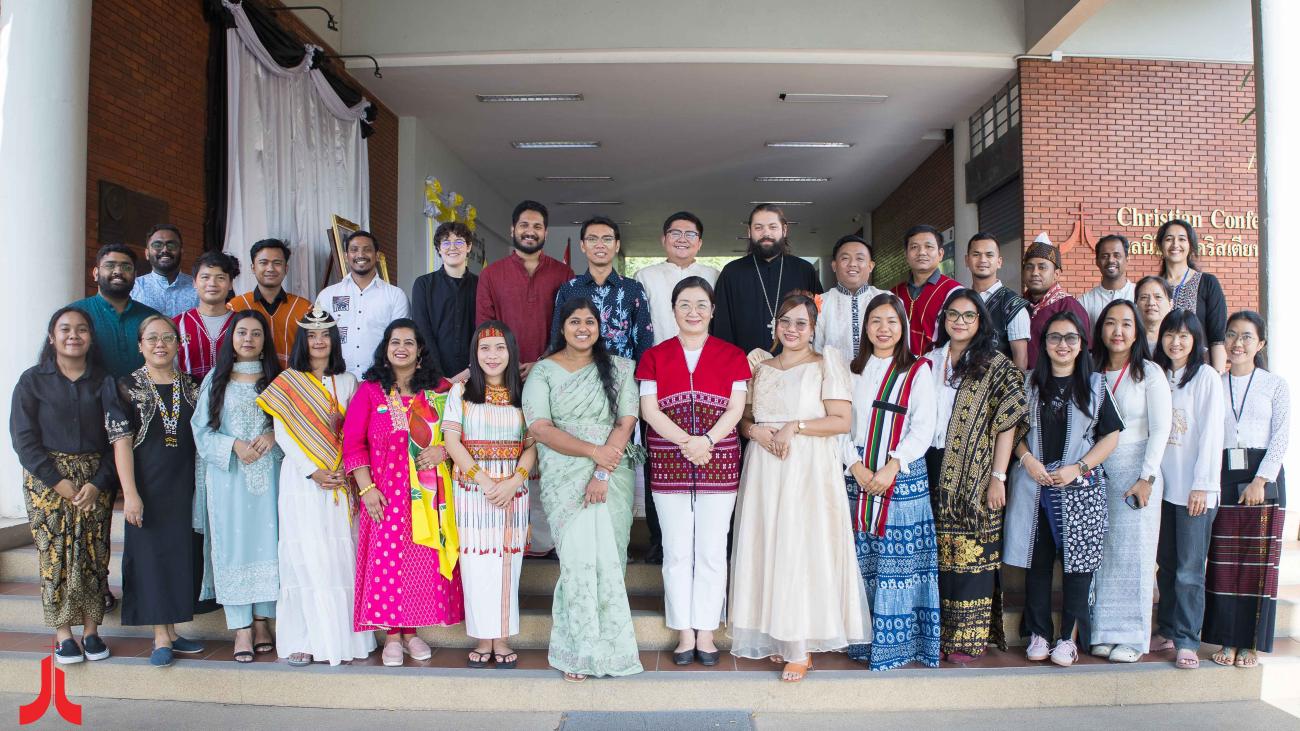
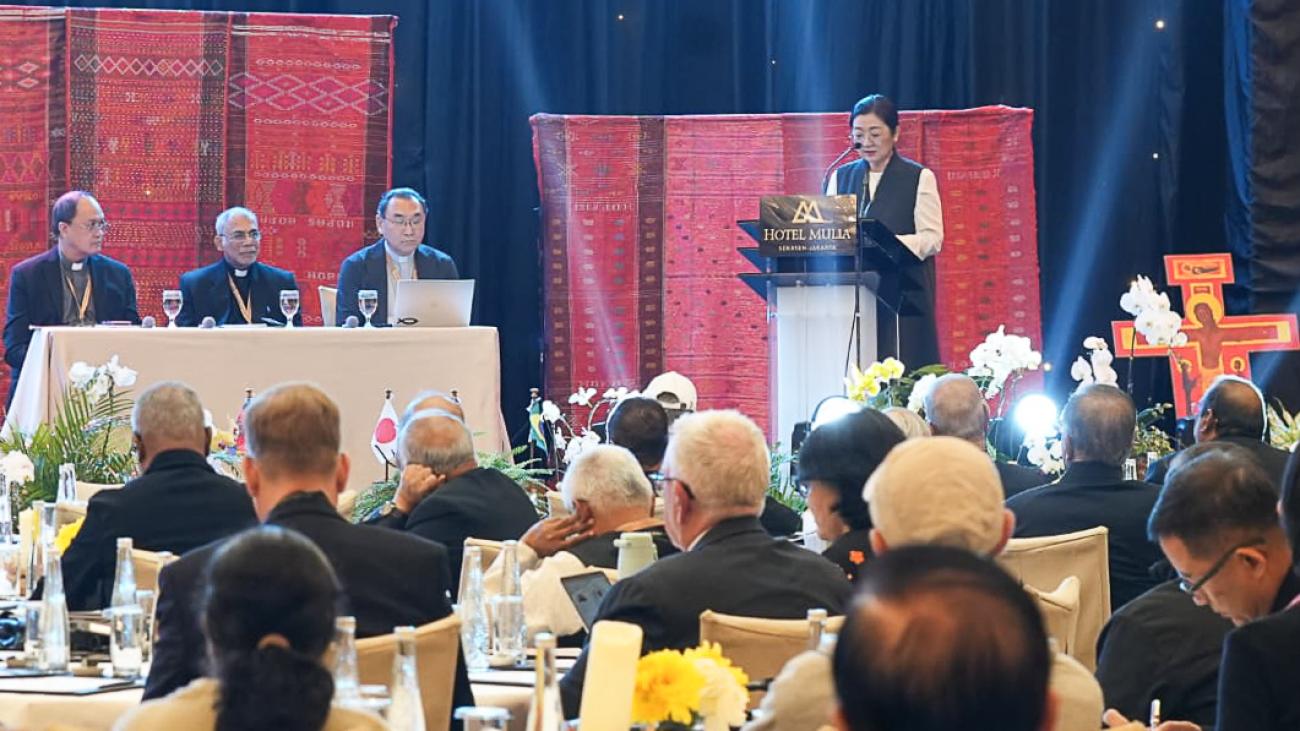
Panellists of “Does Technology Make Us Less Human? Impact of Social Media on Youth in Asia”
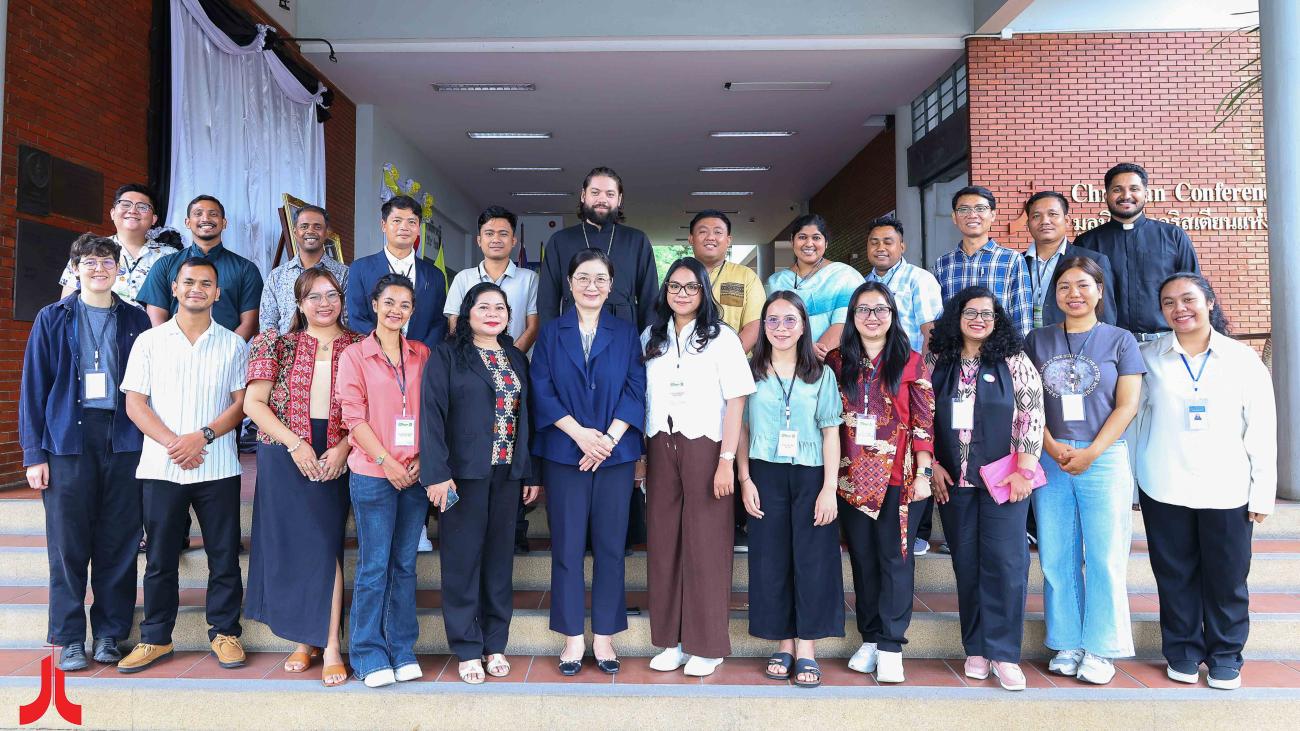
Chiang Mai, Thailand: During a panel discussion at the Asian Ecumenical Youth Assembly (AEYA), young Asian communicators reflected on the impact of social media on youth.
Responding to the question “Does Technology Make Us Less Human? Impact of Social Media on Youth in Asia”, the panellists offered a compelling exploration of social media’s impact on youth in Asia.
Moderated by Qarlene Rishiqa Dharminder from the Asia Collaborative Mission Societies, Malaysia, the session featured three young speakers from Myanmar, the Philippines, and Australia, who shared their perspectives.
Sa Samuel from the Church of the Province of Myanmar (Anglican) spoke about the situation in Myanmar, where access to free internet is restricted. In such a context, people must go to great lengths to access social media platforms and even basic search engines, while remaining constantly aware of the risks tied to their digital footprint.
Mr Samuel emphasised that everyone shares responsibility in the digital space, whether as content creators or consumers. He said that social media should not be used solely for worldly engagement, but also as a platform to serve God. Urging participants to shine their “light both offline and online”, he stressed that one’s digital presence should reflect deeper spiritual values.
Jhoanna Kylle Juan Ragasa from the United Methodist Church in the Philippines reflected on the growing role of technology in everyday life, noting that while it has become inseparable from human experience, the deeper question lies in how it is used to live out God’s commandments.
Describing social media as more than just a tool, Ms Ragasa said it functions as a “formation system” that shapes identity, values, beliefs and faith. Algorithms influence what people see, feel and consider important, raising the question of whether individuals are shaping these systems or being shaped by them.
“If algorithms shape people, then the Church is called to penetrate the people’s algorithm—not for popularity, but for presence, truth and transformation.” This involves showing up in digital spaces with authenticity, creating content that reflects truth, justice and grace, interrupting cycles of hate and misinformation, and offering narratives that restore human dignity, said Ms. Ragasa
Ms Ragasa further added that we are not just called to go viral; we are called to be faithful. The Church is not called to compete with technology, but to discern and redeem it. She also stressed that digital ministry goes beyond content creation. It is about formation, discipleship and witness, calling on believers to use technology to share stories, proclaim the Good News and affirm what it means to be truly human.
David Abel Toogood from the Uniting Church of Australia shared personal reflections on his use of social media, highlighting the intentionality he now brings to his digital life.
Mr Toogood invited participants to consider what it means to bring one’s whole self into both online and offline spaces, and to carry the “yoke of Christ” in a digital age.
Addressing the role of technology design, Mr Toogood noted that while current algorithms are often created to hold users’ attention for as long as possible, they can also be shaped by more ethical intentions, where technology works with users to help achieve their goals rather than hinder them. He called on young and ethically minded technology experts and entrepreneurs to continue imagining a different and better digital world.
A facilitator who assists churches in creating leadership pathways for youth and young adults, Mr Toogood urged participants to reflect and examine their engagement with technology. He posed a series of questions, ultimately challenging AEYA participants to consider whether their digital habits align with their values and their relationship with God. He also highlighted the words of Jesus, “For my yoke is easy, and my burden is light,” as a guiding principle for navigating the complexities of the digital world.
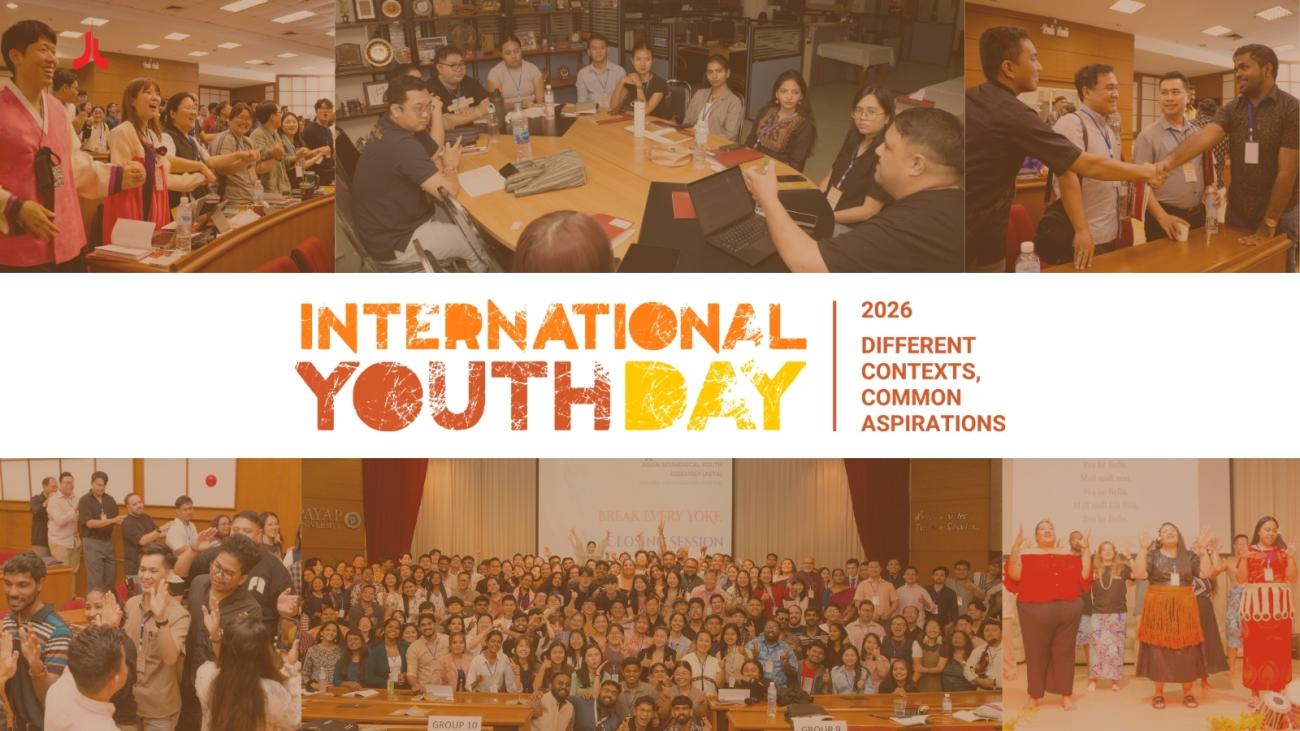
Photos of Day 4 of the Asian Ecumenical Youth Assembly (AEYA-2026) can be found here.