Asian churches called to nurture people-centred grassroots ecumenism and move beyond denominational interests
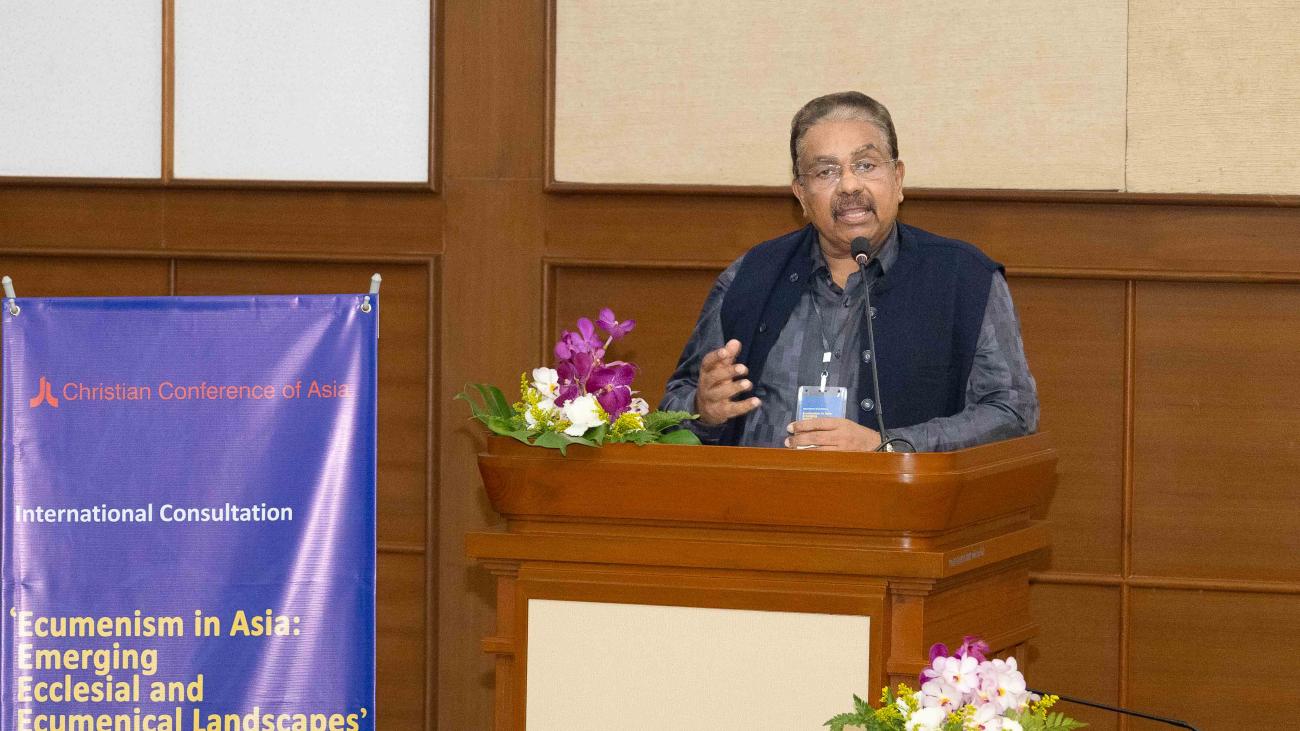
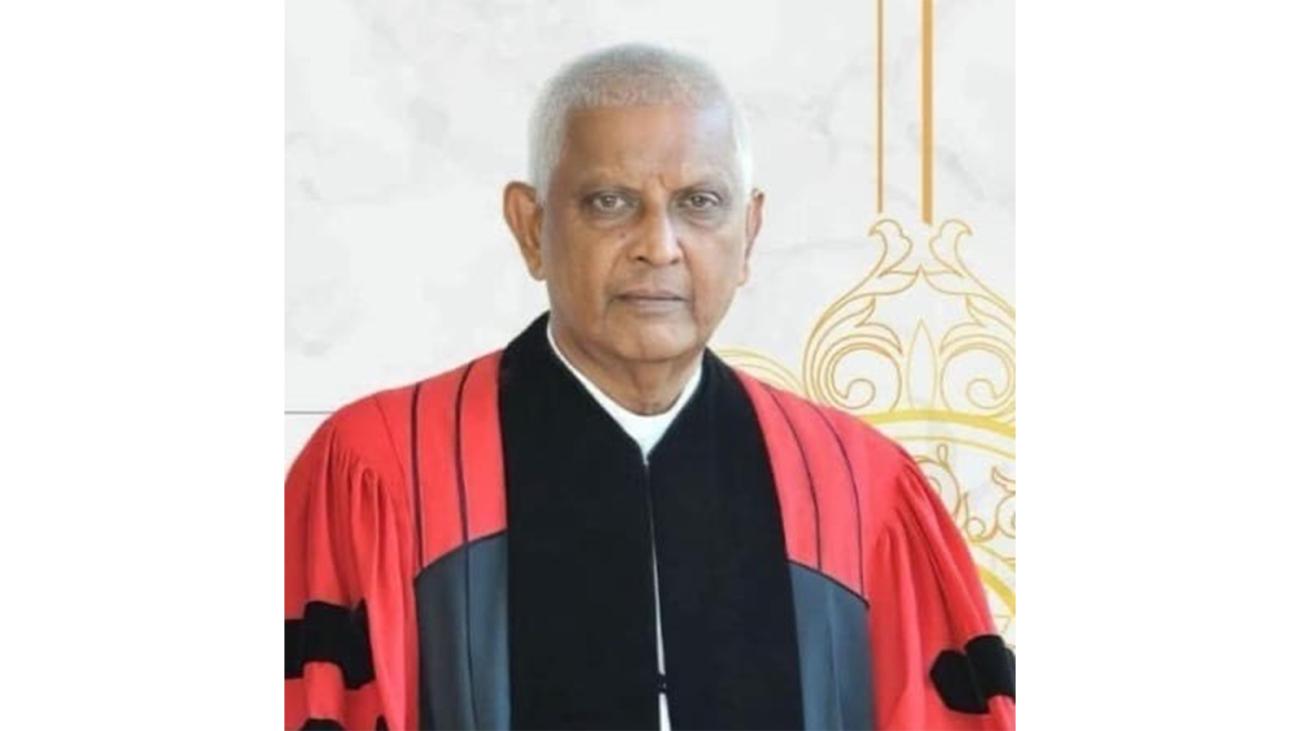
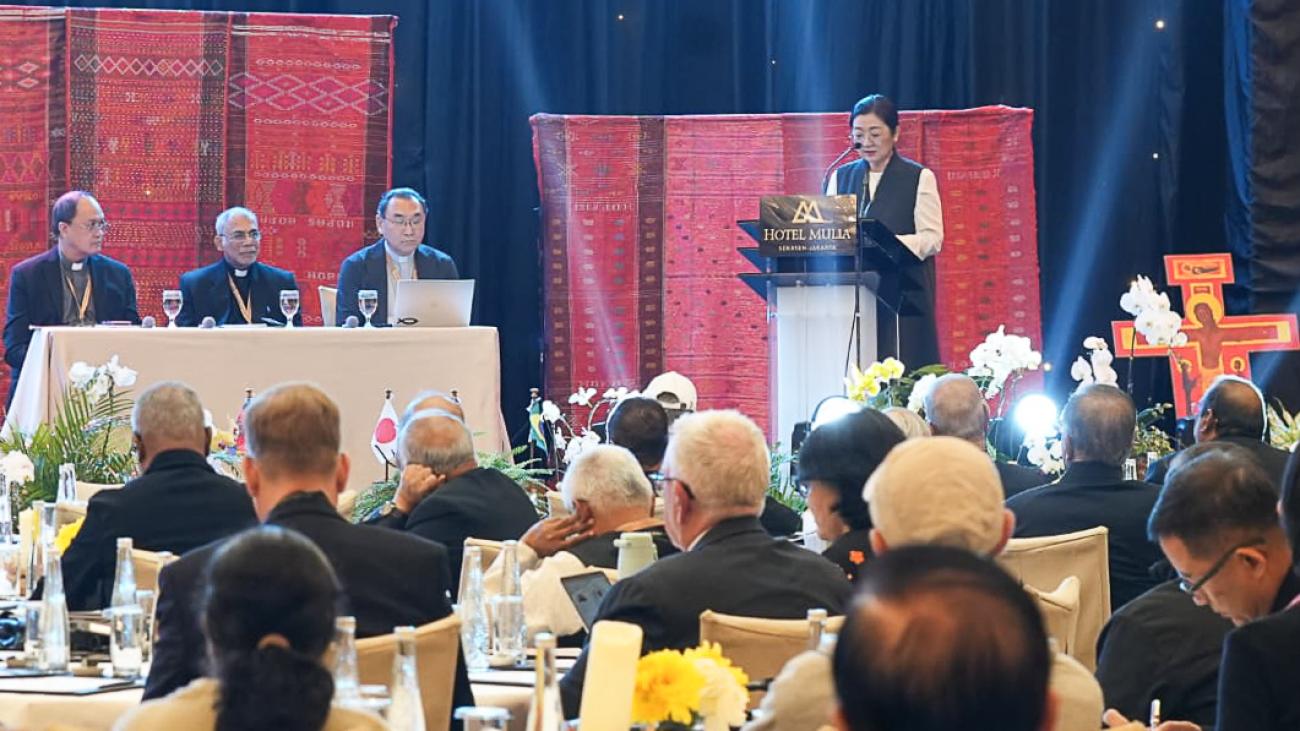
Chiang Mai, Thailand: Delivering the thematic address on “Changing Ecclesial Landscapes and Challenges to the Asian Ecumenical Movement” on the first day of the International Consultation on Ecumenism in Asia: Emerging Ecclesial and Ecumenical Landscapes, CCA General Secretary Dr Mathews George Chunakara stressed that Asian churches must strengthen ecclesial unity amid diversity by moving beyond denominational interests and nurturing a people-centred, grassroots ecumenism.
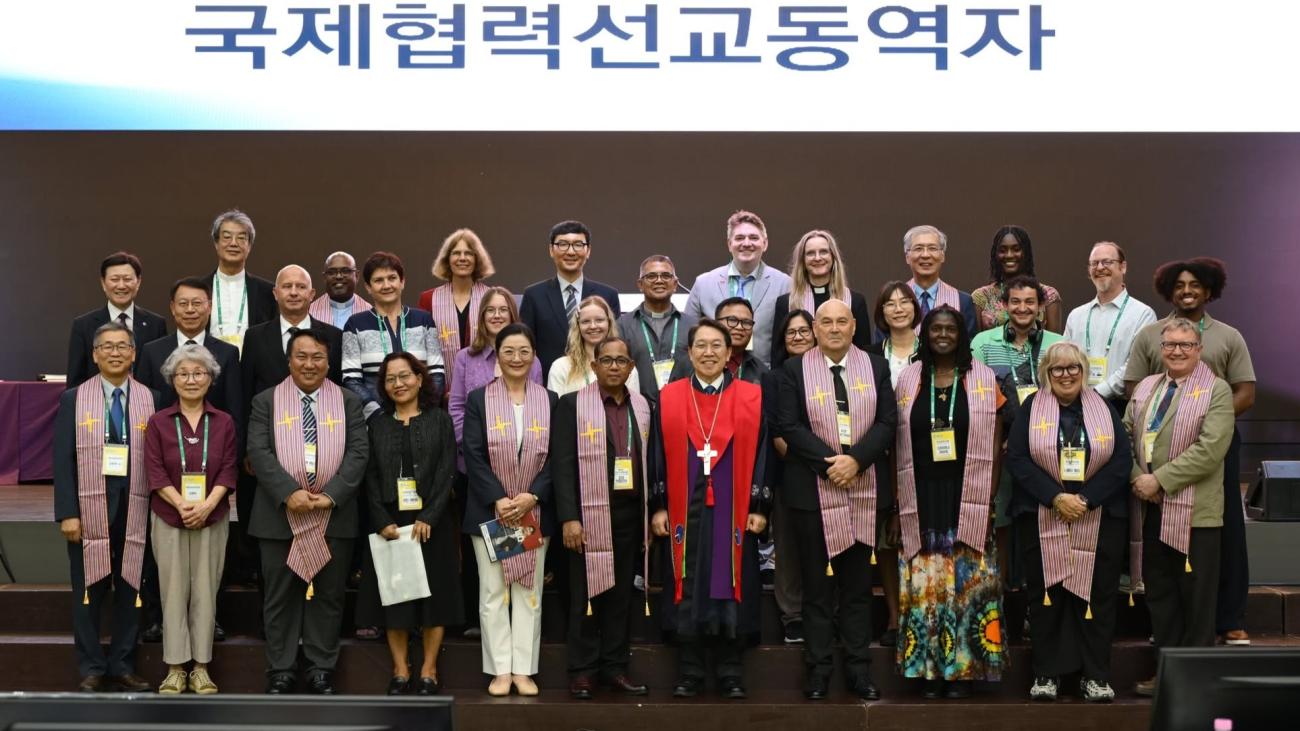
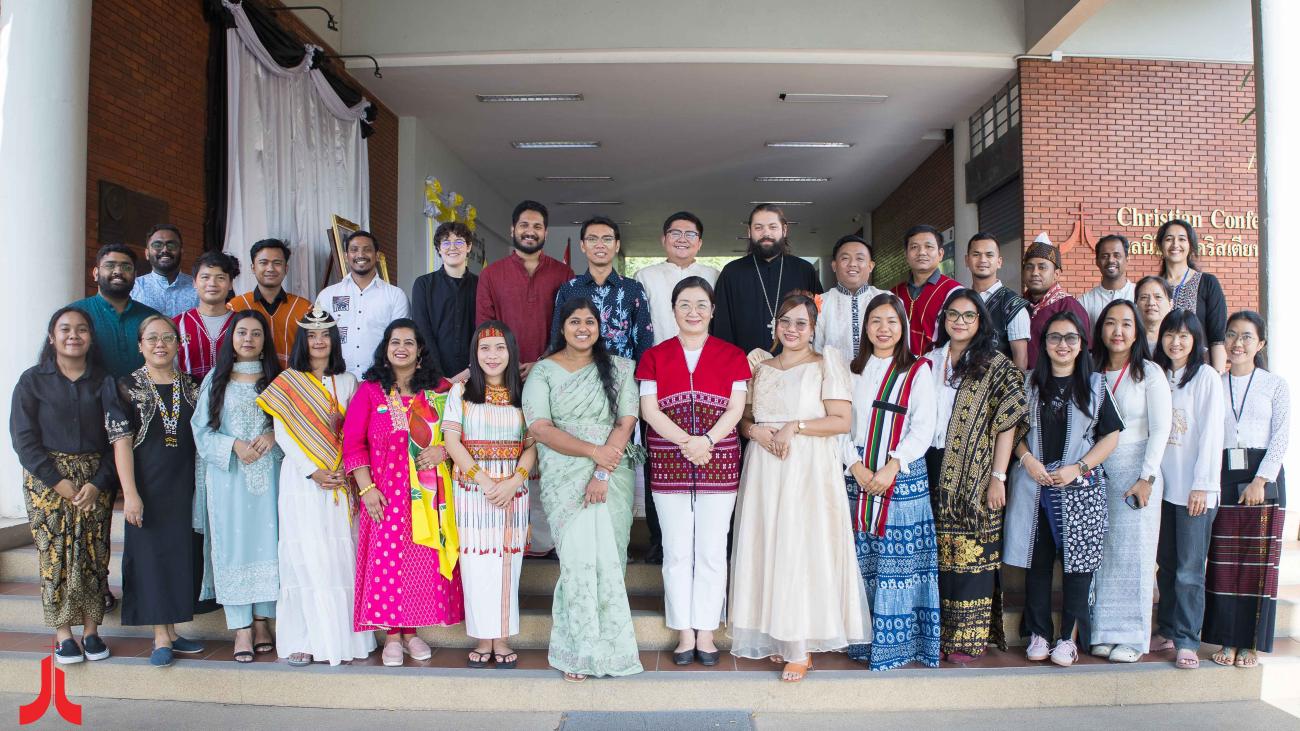
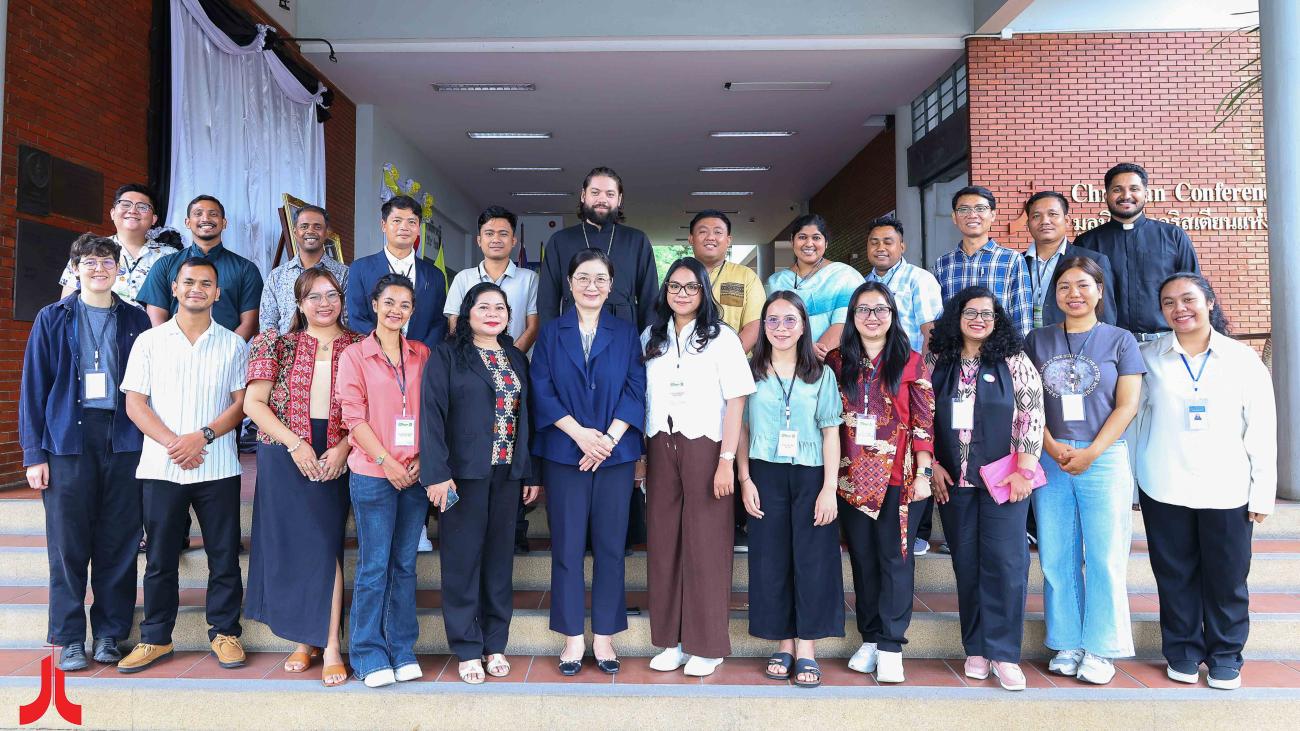
More than 70 church and ecumenical leaders from across Asia, Europe and North America, are attending the international consultation at Payap University in Chiang Mai, Thailand.
Dr Mathews George Chunakara examined how the shift of Christianity’s “centre of gravity” from Europe and North America to the Global South has made Asia a major hub of Christian mission. This transformation has been marked by the rapid expansion of evangelical, Pentecostal, charismatic, independent, and non-denominational churches, as well as para-church groups and movements.
He noted that new forms of Christian community are flourishing alongside traditional churches, reflecting profound changes in Asia’s ecclesial landscape shaped by migration, urbanisation, demographic shifts, and evolving patterns of religious affiliation. However, this growth has not translated into greater Christian unity. Instead, increasing denominationalism, promoted by agendas of some mission agencies, has resurfaced in Asia, creating parallel ecumenical structures and institutional networks that serve particular interests and weaken the ecumenical movement.
The CCA General Secretary identified the erosion of ecclesial unity and ecumenical commitment as a central challenge.
Dr Chunakara described the emergence of “ecumenical archipelagos” in Asia, where competing networks and structures, often supported by non-Asian mission agencies, operate independently of existing ecumenical frameworks. Rather than strengthening cooperation, these developments risk fragmenting the ecumenical movement and undermining its coherence, coordination, and collective witness.
Within this context, Dr Chunakara stressed that ecumenism must be understood as more than institutional dialogue or occasional cooperation among church leaders. It encompasses reconciliation, justice, peacebuilding, prophetic witness, service, and common mission. He emphasised that ecumenism requires both a theological commitment to the visible unity of the Church and practical collaboration to address the challenges facing society and creation.
He also pointed to a crisis of conciliarity and ecumenical commitment within the churches. “Many churches increasingly prioritise institutional interests, denominational identities, and organisational visibility over broader Christian fellowship. This trend is compounded by a lack of ecumenical vision among some church leaders, declining interest in ecumenical formation among younger generations, and insufficient commitment to strengthening relationships across local, national, regional, and global levels”, said the CCA General Secretary.
“The greatest challenge facing Asian Christianity today is not numerical growth but maintaining unity amid diversity. At a time when churches are increasingly diverse yet often divided, it is imperative to strengthen our common witness through cooperation, solidarity, and shared action. The path forward lies in cultivating a grassroots ecumenism that transcends denominational boundaries and enables all God’s people to participate in the vision of Christian unity, reconciliation, and common mission”, stated Dr Chunakara.
Rev. Dr Henriette Huttabarat-Lebang, President of the World Council of Churches, moderated the session.
The international consultation is being organised as a prelude to CCA's Platinum Jubilee in 2027. The consultation will continue until 3 June 2026.