Indian feminist theologian urges Asian youth to confront “intersectional yokes” and reaffirm faith and public witness
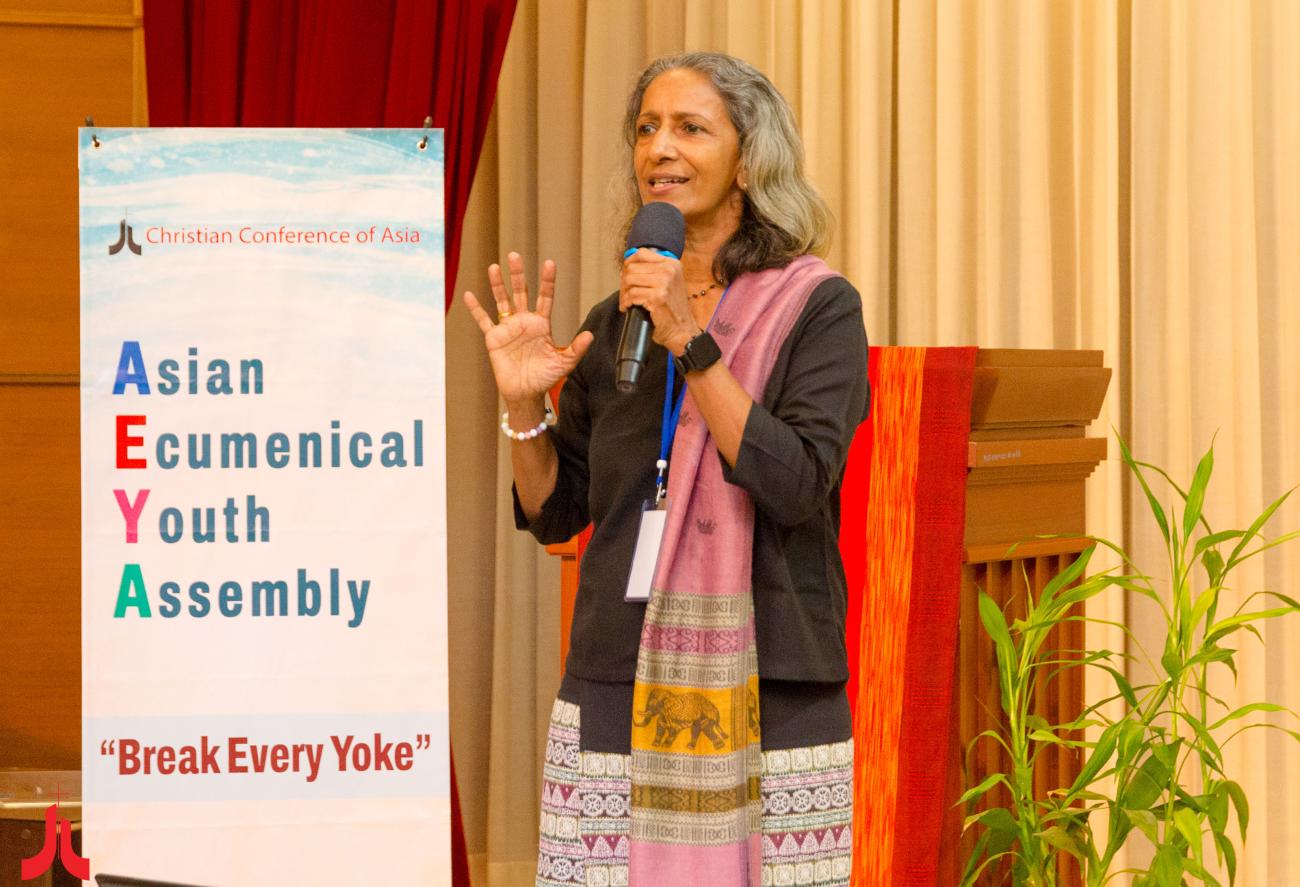
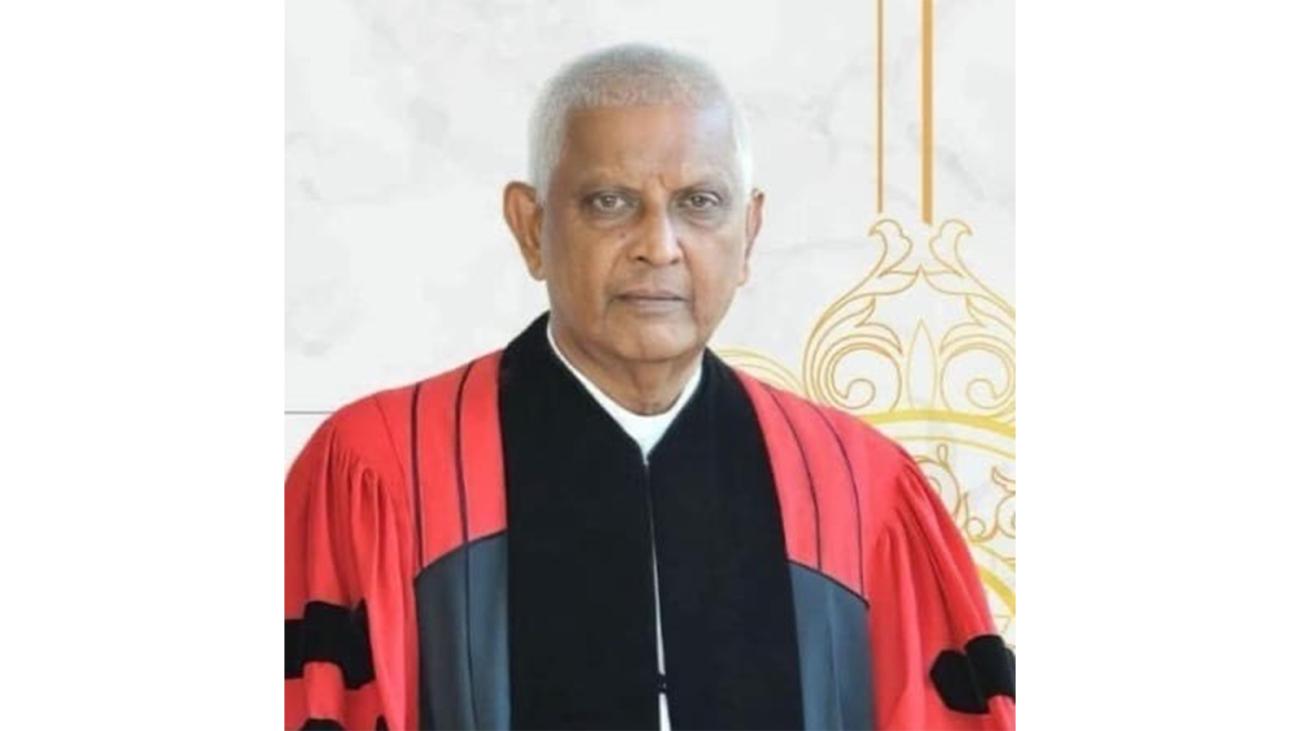
Chiang Mai, Thailand: Blending theology with social critique, Dr Kochurani Abraham, renowned Indian feminist theologian and researcher challenged participants to confront the “intersectional yokes” shaping the realities of today’s youth and urged them to reaffirm faith and public witness.
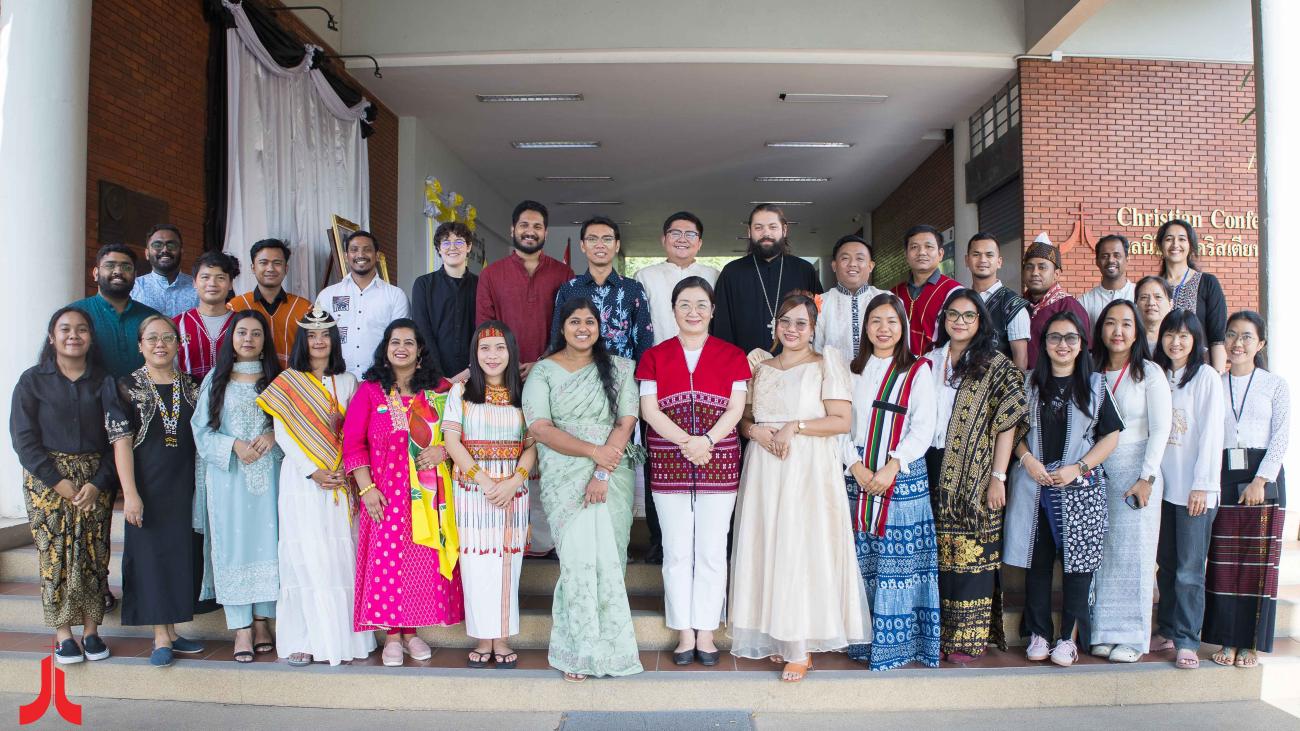
Addressing the participants of the Asian Ecumenical Youth Assembly, Dr Kochurani Abraham delivered the thematic address on “Break Every Yoke: Reclaiming the Prophetic Vision of the Household of God.”
Dr Abraham identified patriarchy and the exploitative relationship between humans and the Earth as central forces driving inequality and ecological crisis. She argued that deeply embedded hierarchical and dualistic ways of thinking, such as divisions between mind and body or spirit and matter, have enabled systems of domination across gender, caste, race, class, and even nature itself.
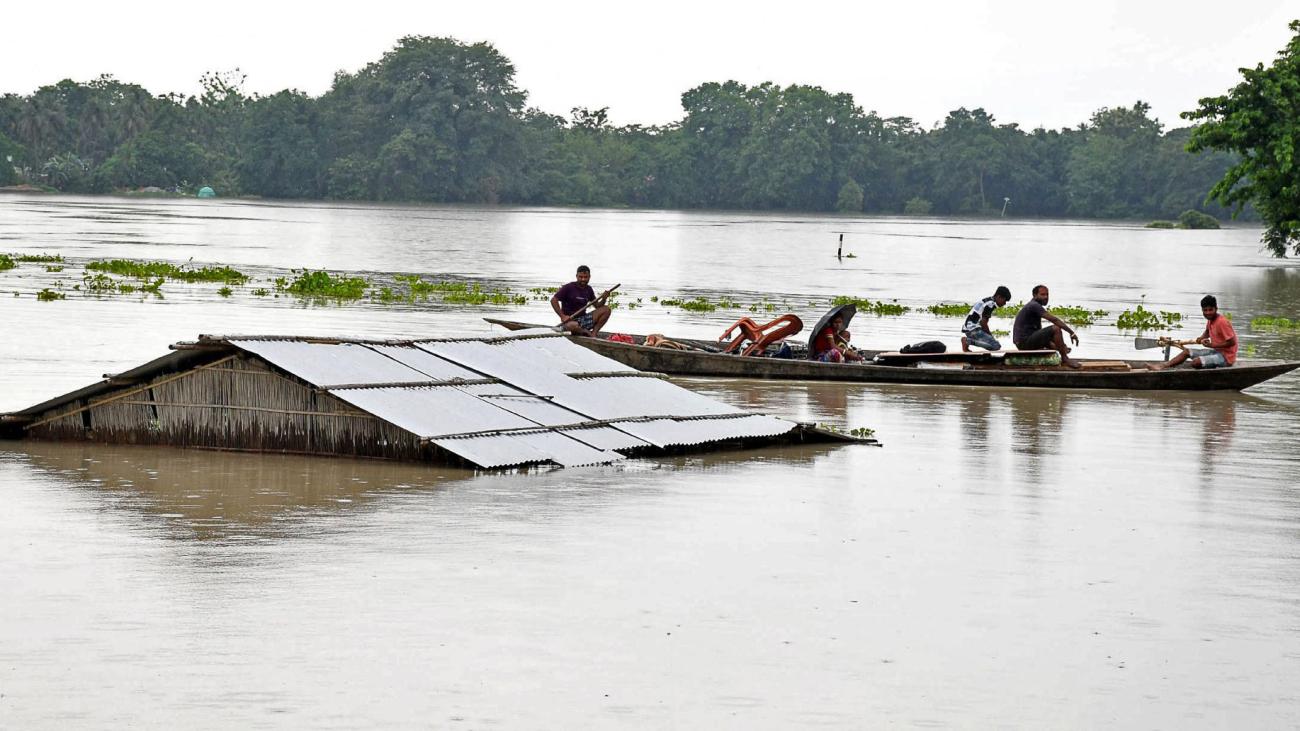
“These frameworks normalise inequality and weaken our sense of interdependence,” she said, linking such structures to pressing issues including youth unemployment, migration, trafficking of women and girls, and the disproportionate impact of climate change on marginalised communities.
Framing these challenges as forms of “intersectional systemic violence,” Dr Abraham proposed three guiding metaphors, freedom, fire, and friendship, as a way forward for Christian discipleship and social engagement.
Dr Abraham described freedom as both resistance and renewal, encompassing not only liberation from structural injustices such as caste, gender inequality, economic exploitation and political or religious nationalism, but also inner emancipation from fear, silence and complacency. She stated that contemporary injustices operate as “intersectional yokes” that bind both people and the environment, making prophetic action inseparable from social and ecological responsibility.
She posited fire as the inner force that sustains such action. Drawing on biblical imagery from prophets such as Isaiah and Jeremiah, she interpreted fire as the transformative energy of the Spirit, one that purifies, disrupts comfort and generates urgency for change. Without this “baptism of fire”, moral conviction risks remaining abstract rather than becoming lived commitment, she warned.
Dr Abraham also presented friendship as a social vision. Re-reading the Gospel through a lens of equality, she emphasised Jesus’ shift from hierarchical authority to relational solidarity, where disciples are called friends rather than servants. This challenges entrenched hierarchies and reimagines the “household of God” as an inclusive community grounded in mutual recognition, she argued. The movement from “I” to “We,” expressed in the prayer “Our Father,” thus becomes both a spiritual and political reorientation.
Kean Jaramah Rollon from the International Movement of Catholic Students - Asia Pacific moderated the session.