Asia faces mounting geo-political and geo-economic strain amidst accelerating shifts in global order, observes Dr Mathews George Chunakara
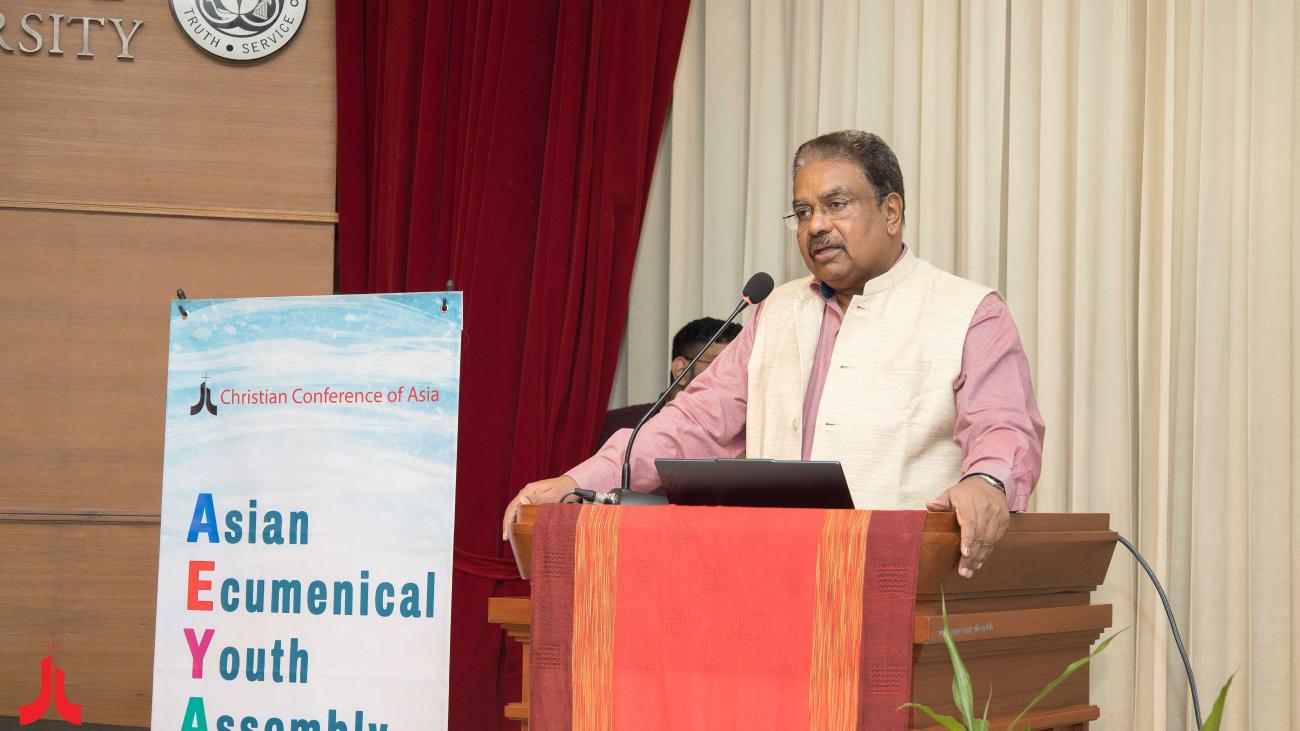
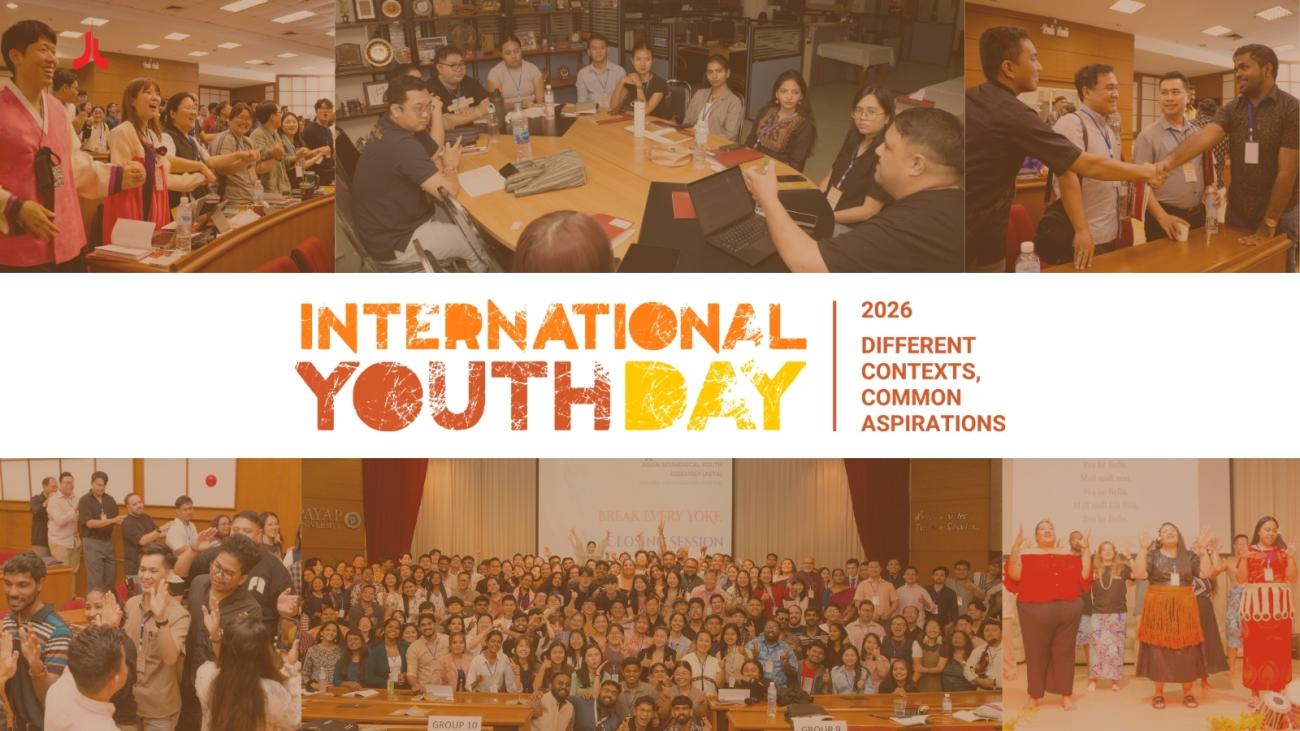
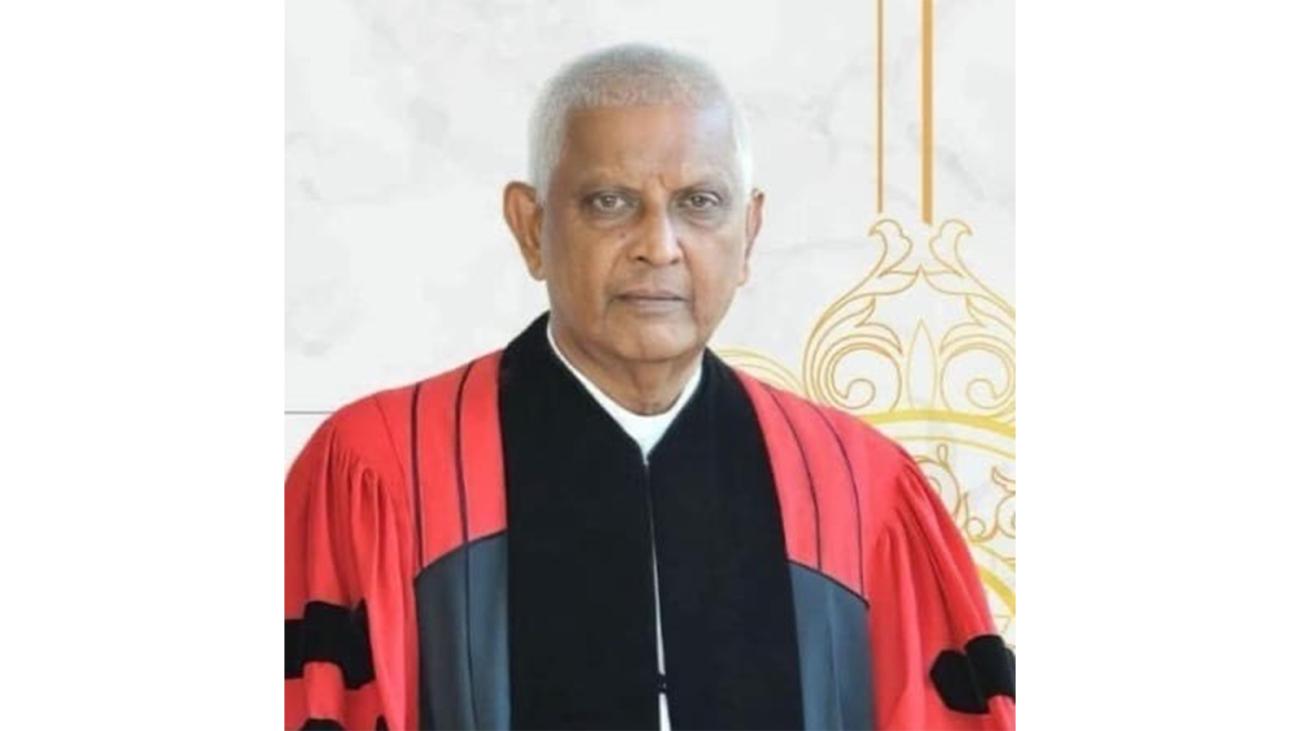
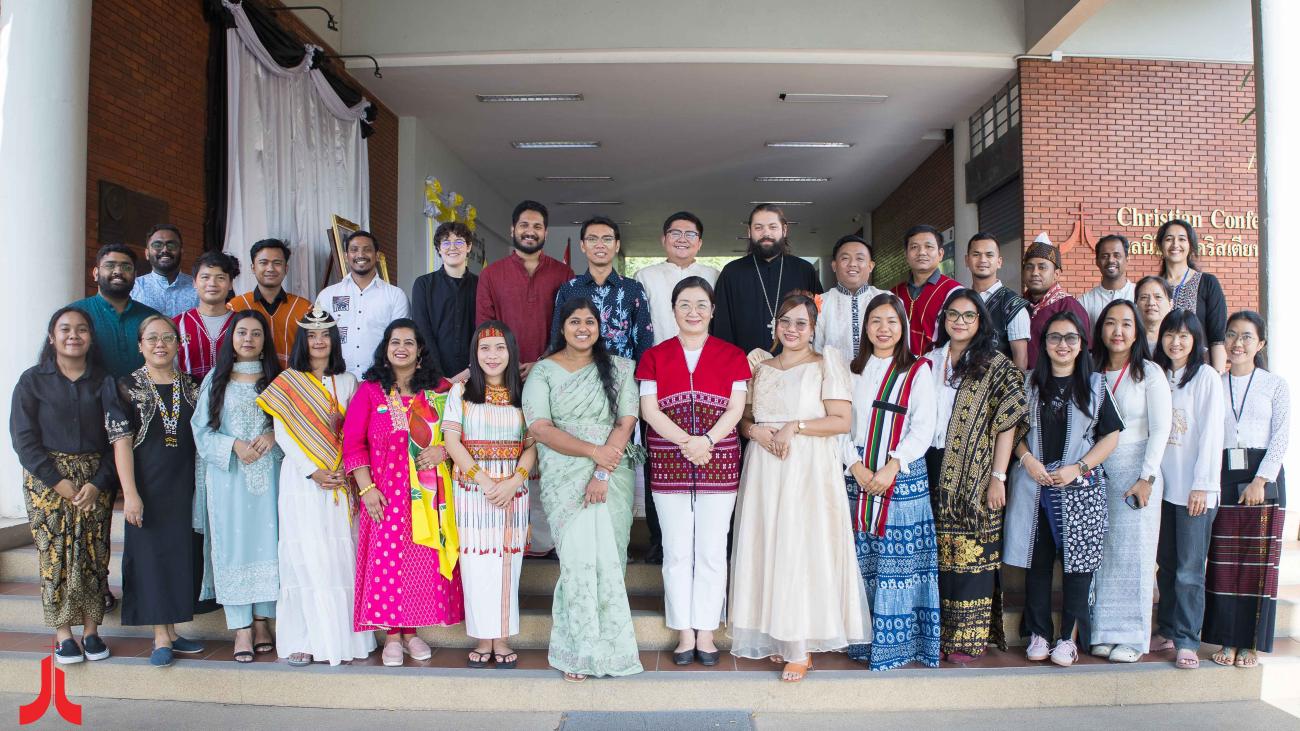
Chiang Mai, Thailand: Mounting geopolitical tensions and geo-economic disruptions are placing Asia at the centre of a rapidly changing and increasingly unstable global order, observed Dr Mathews George Chunakara, General Secretary of the Christian Conference of Asia, on the second day of the Asian Ecumenical Youth Assembly (AEYA-2026).
Delivering the second thematic address on “Asia Navigating Amidst the Evolving Geo-political and Geo-economic Challenges”, Dr Chunakara explained how ongoing conflicts and power rivalries are already having far-reaching consequences for the region. He pointed in particular to the 2026 United States war on Iran, which has triggered a severe energy crisis, soaring oil prices, and disruptions in the Strait of Hormuz, developments that disproportionately affect Asia, a major importer of oil, natural gas and fertiliser from the West Asia region. The damage inflicted by the US and Israel on Iran is likely to have long-lasting consequences for Asia, including potential food security challenges. Rising inflationary pressures, slowing industrial growth, and broader economic losses are contributing to an increasingly bleak economic outlook for the region.
A long-time international affairs observer and commentator, who is also the moderator of the Commission of the Churches on International Affairs (CCIA) of the World Council of Churches, Dr Mathews George Chunakara situated these developments within an accelerating shift from a rules-based international order and multilateral system toward a more chaotic global order. He warned that the world is entering a phase in which the “law of the jungle” is increasingly overriding the rules-based international order, with powerful nations asserting dominance rather than respecting and working through multilateral frameworks.
“The current global context is one of deep fragmentation, marked by intensifying great-power rivalry, especially between the United States and China, growing mistrust among nations, ongoing conflicts in regions such as Ukraine and West Asia, rising trade protectionism, and competition over critical resources. These are not distant concerns but forces directly shaping Asia’s strategic and economic environment”, Dr Chunkara emphasised.
Pointing to developments such as Russia’s invasion of Ukraine, China’s growing military assertiveness, and the rearmament of Japan and Germany, he argued that both major and smaller powers are contributing to the erosion of the current international order. He further described recent conflicts and geopolitical actions across Ukraine, Nagorno-Karabakh, Gaza, Syria, and Lebanon, alongside controversial moves involving the United States, as signs of a systemic breakdown of global norms.
“Whom does this world belong to, and where are we heading?” he asked, expressing concern over increasingly transactional approaches to international relations that prioritise short-term gains over long-term alliances, shared values, and international law.
Focusing on Asia, Dr Chunakara highlighted an evolving regional order shaped by shifting military dynamics, external interventions, and rising strategic competition in the region. He also commented on the competing visions for Asia’s future, but cautioned that no credible vision is likely to prevail soon.
Emphasising the role of civil society, Dr Chunakara stressed that people’s movements, particularly those led by young people, will be critical in shaping a more just and peaceful future. He called on youth to actively engage in advocacy, dialogue, and collective action to uphold democratic values, strengthen accountability, and promote peace in the face of rising global uncertainties.
Dr Chunakara also underscored the urgent need for renewed commitment to multilateralism, dialogue, and cooperation, alongside empowered civic participation, to enable Asia to navigate the mounting geopolitical and geo-economic challenges ahead.
Abigayle Chesca Bolado, World Council of Churches programme executive for Youth Engagement in the Ecumenical Movement, chaired the session.