Church leaders reflect on challenges to ecclesial unity and mission in a changing Asia
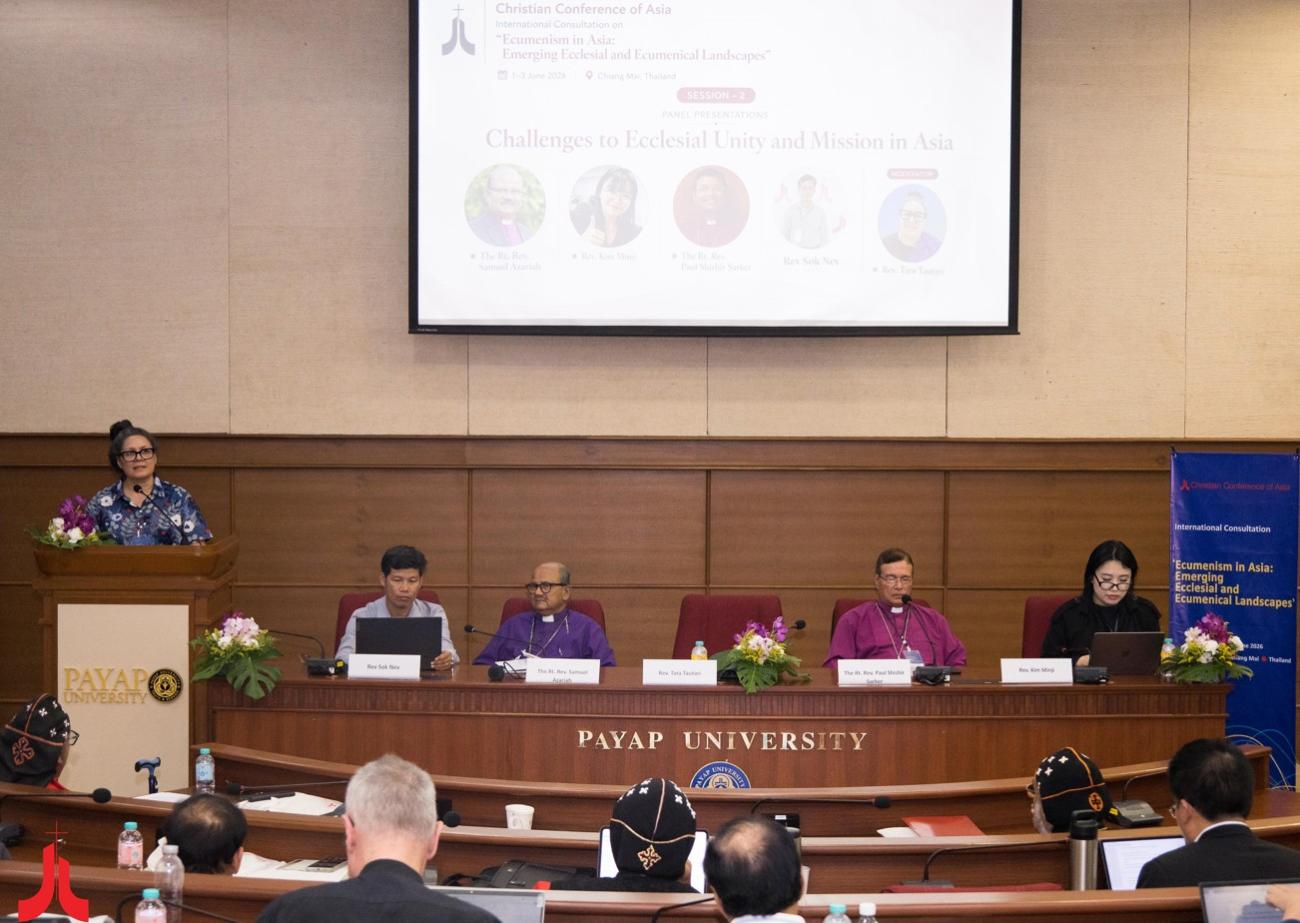
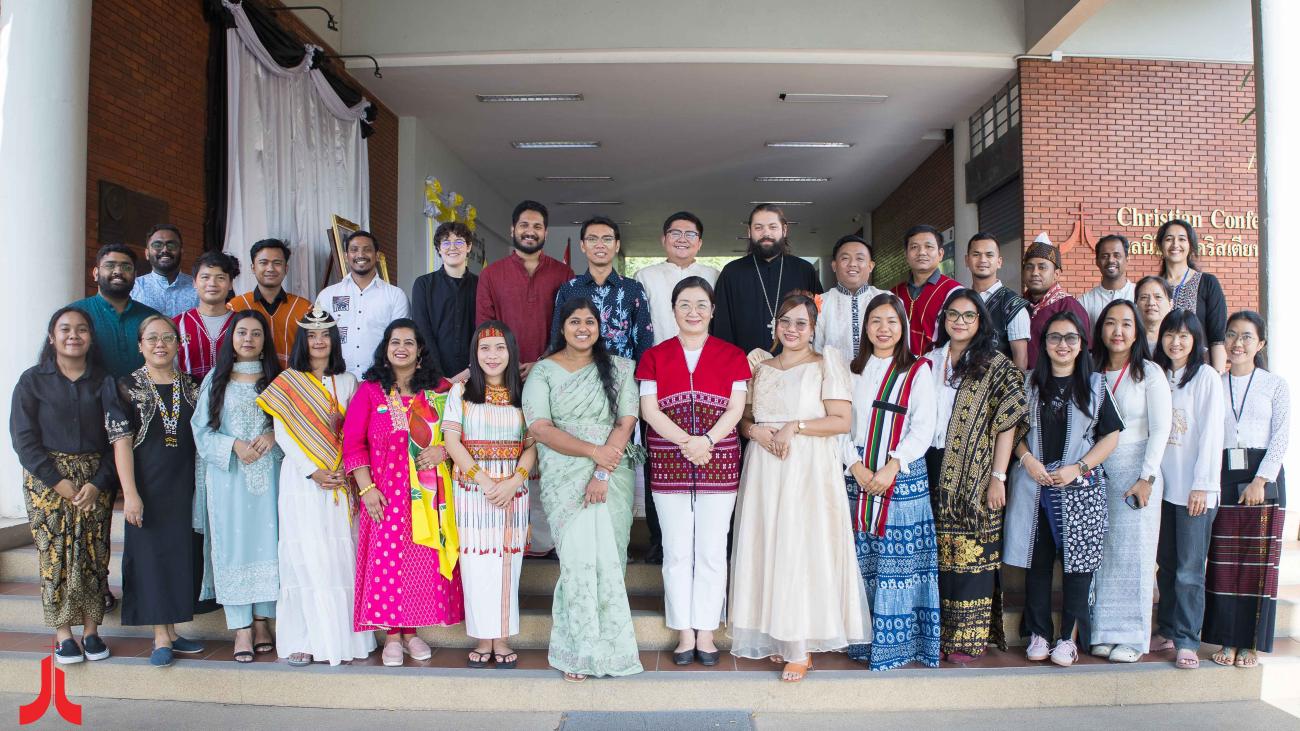
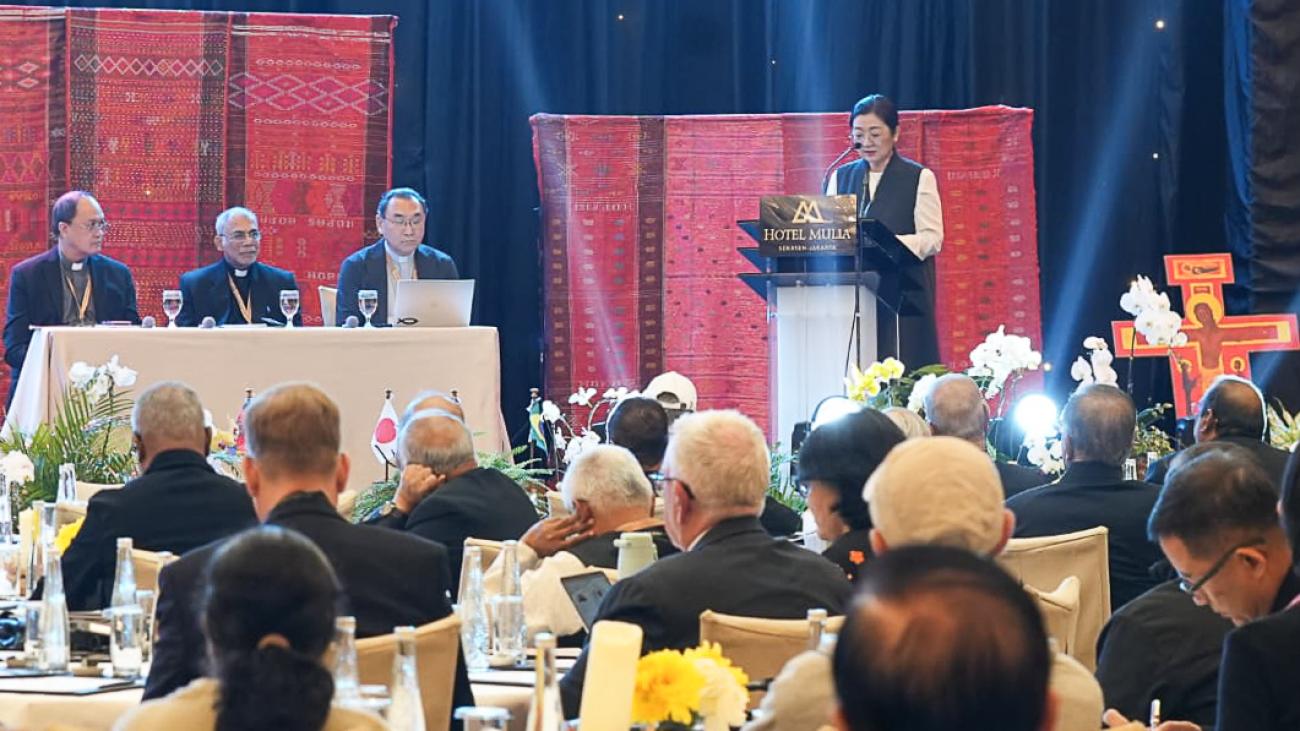
Chiang Mai, Thailand: Presenting on “Challenges to Ecclesial Unity and Mission in Asia” on the first day of the International Consultation on Ecumenism in Asia, church leaders from Pakistan, South Korea, Bangladesh and Cambodia shared stories of communities grappling with division, discrimination, conflict, and social change, while seeking new ways to live out Christian unity.
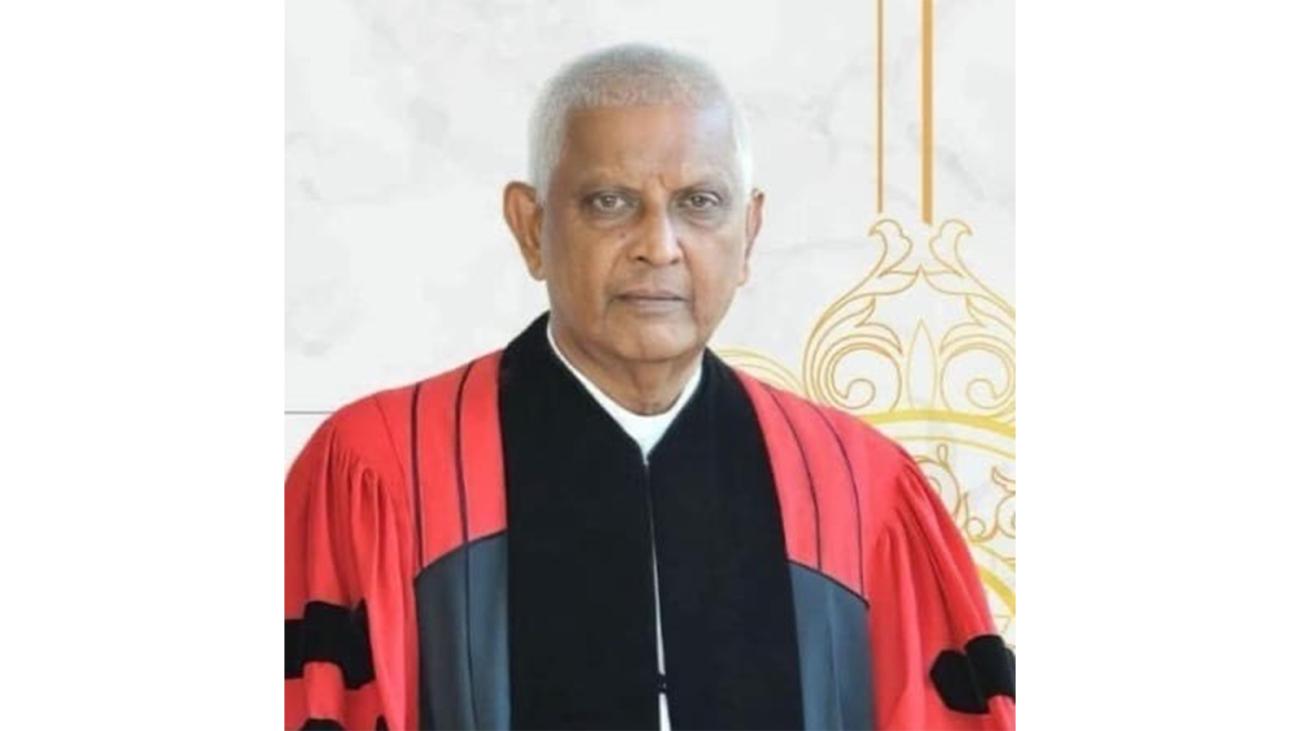
Bishop Samuel Azariah of the Church of Pakistan emphasised that ecclesial unity in Asia must be understood within the social, political, cultural, and religious realities facing churches across the region. While the modern ecumenical movement emerged from efforts to foster Christian cooperation in mission, denominational divisions and fragmentation continue to undermine Christian witness in Asian countries.
Drawing on the experiences of Christians in Pakistan, Bishop Azariah, Director of the Christian Study Centre, Rawalpindi, highlighted the challenges faced by religious minorities, including discrimination, social marginalisation, economic vulnerability, false blasphemy accusations, forced conversions, and insecurity. These realities often force churches into a struggle for survival, limiting their ability to engage in mission and witness.
Bishop Azariah stressed that in such contexts, ecclesial unity is not merely a theological ideal but a practical necessity for solidarity, mutual support, and collective witness.
Rev. Kim Minji of the National Council of Churches in Korea (NCCK) highlighted the challenges facing the people in Northeast Asia, particularly South Korea, and the enduring trauma of the Korean War.
Calling on churches to resist nationalism, far-right ideologies, and the politics of hatred, Rev. Kim drew on Minjung Theology, stressing that the Church is called to stand with the marginalised and suffering. “The cross is not a symbol of power but a sign of God's solidarity with the suffering,” said Rev. Kim.
She reaffirmed the church's mission of witnessing to peace amid conflict, upholding human dignity, caring for creation, and working towards reconciliation and just peace, concluding with the ecumenical call: “Life Together, Work Together, Witnessing Together.”
Bishop Paul Shishir Sarker of the Church of Bangladesh stated that authentic Christian discipleship is defined primarily by unity in love rather than doctrine, rituals, or outward expressions. Reflecting on the experiences of minority Christians in Bangladesh, Bishop Sarker lamented that churches often function in isolation and cooperate only during times of crisis, while divisions, competition, mistrust, and leadership struggles continue to weaken Christian witness. Christians constitute only about one per cent of the population, and Protestant Christians are divided into more than 80 denominations, resulting in fragmentation and rivalry among churches.
He called for a renewed and contextual discipleship that addresses contemporary challenges such as women's rights, human trafficking, and climate change, while nurturing deeper spiritual renewal within the Church, and noted that worshipping God must be rooted in local culture rather than dependence on Western models.
Rev. Sok Nev, General Secretary of the Kampuchea Christian Council (KCC), reflected on the journey of the Cambodian Church, which emerged from the devastation of the Khmer Rouge regime (1975–1979) that nearly wiped out the country's Christian community. While the Church survived through underground networks and began rebuilding in the decades that followed, the legacy of violence and trauma continues to shape Cambodian society and church life.
Rev. Sok Nev identified generational trauma and a lack of trust as major challenges to Christian unity in Cambodia.
“Trust is very hard and challenging for our Khmer people,” he observed, noting that healing historical wounds remains essential for building stronger relationships among churches and ministries.
Rev. Sok Nev also highlighted the fragmentation of the Protestant community, where numerous denominations and networks often operate independently, leading to duplication of efforts, competition for resources, and a weakened collective witness. At the same time, rapid church growth has outpaced leadership development, with many rural pastors serving without formal theological training. Other challenges include the perception of Christianity as a foreign religion affecting church activities and property ownership.
Despite these challenges, Rev. Sok Nev highlighted growing cooperation among churches through pastoral fellowships and ecumenical initiatives slowly developing in the country. He noted that indigenous leadership, locally rooted mission efforts, and holistic ministries such as education, clean water, and community development are strengthening the Church's witness in Cambodian society.
The session was moderated by Rev. Tara Tautari from the Methodist Church of New Zealand.