Asian Ecumenical Institute 2026 commences at the CCA headquarters
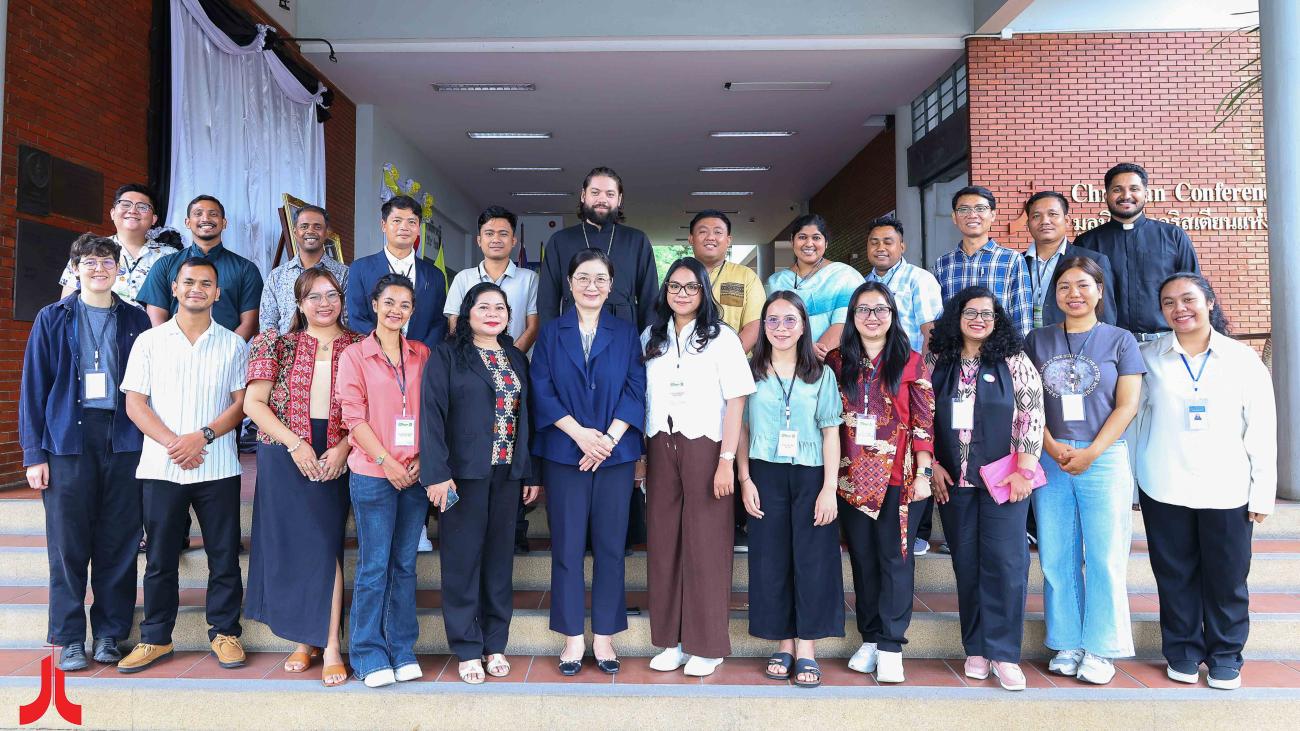
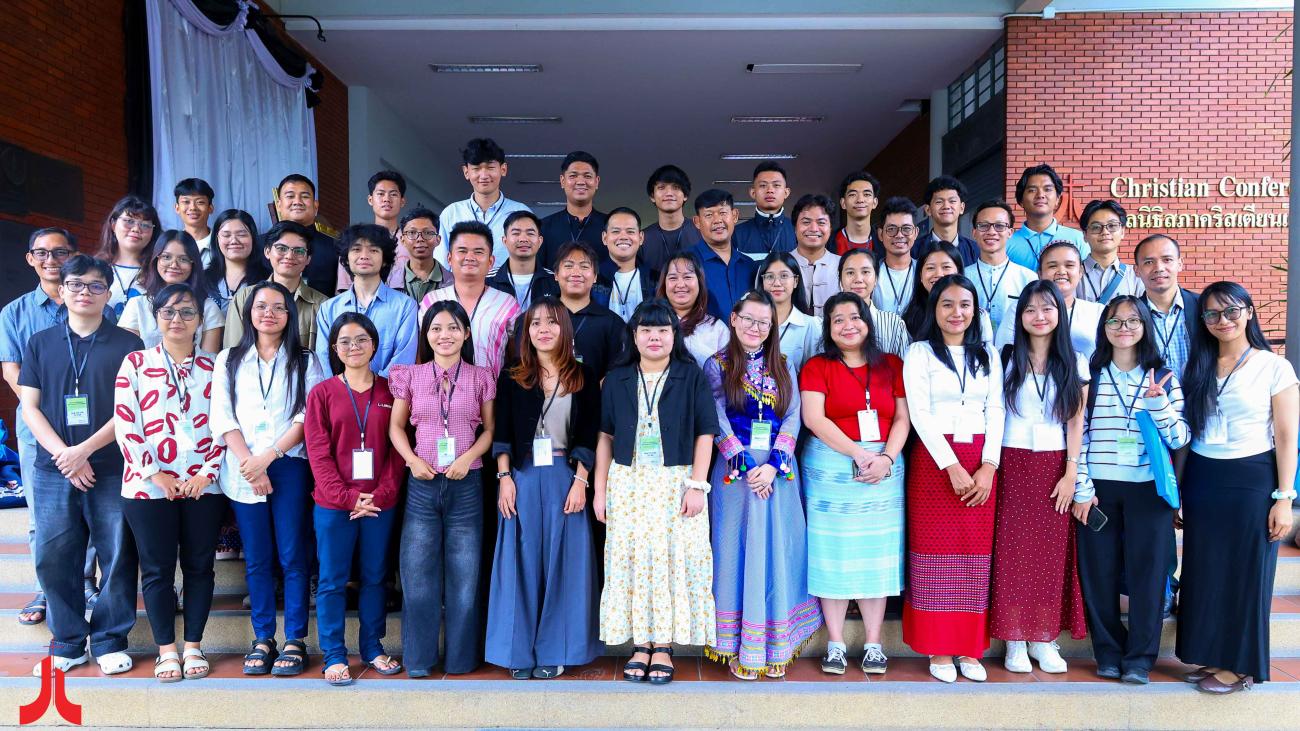
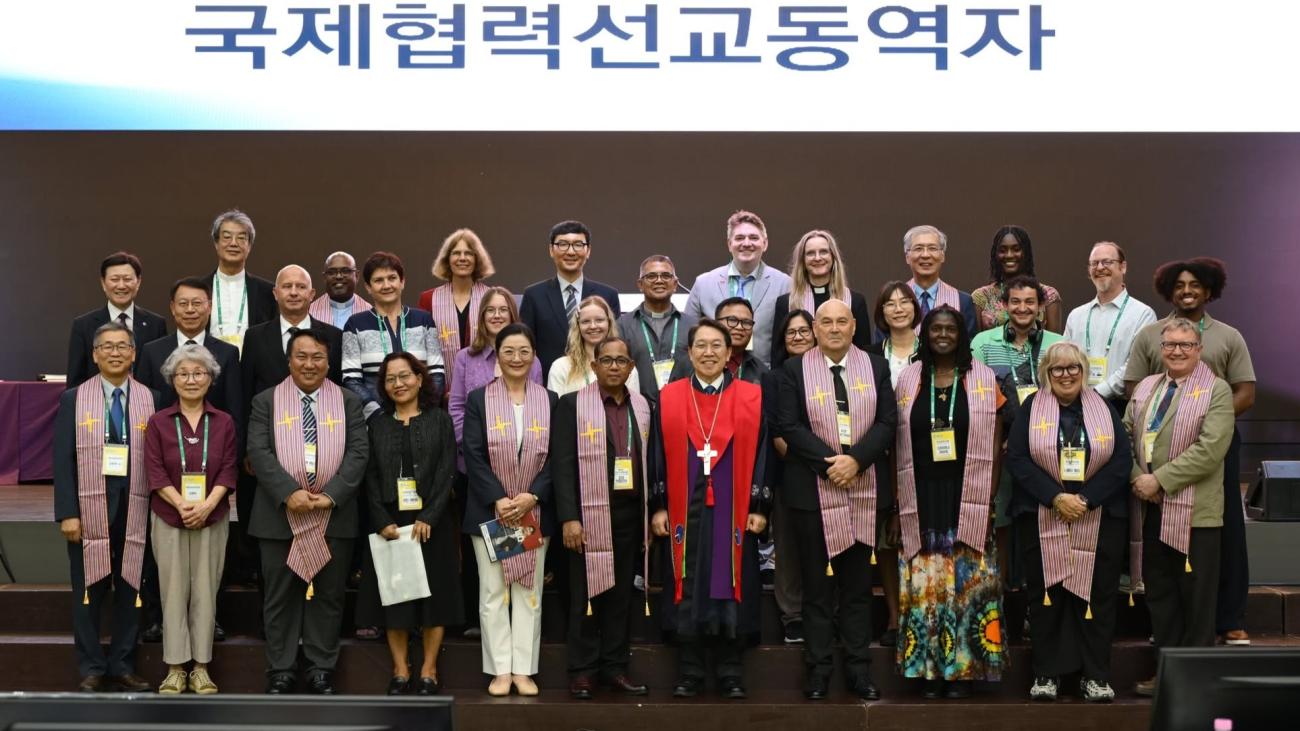
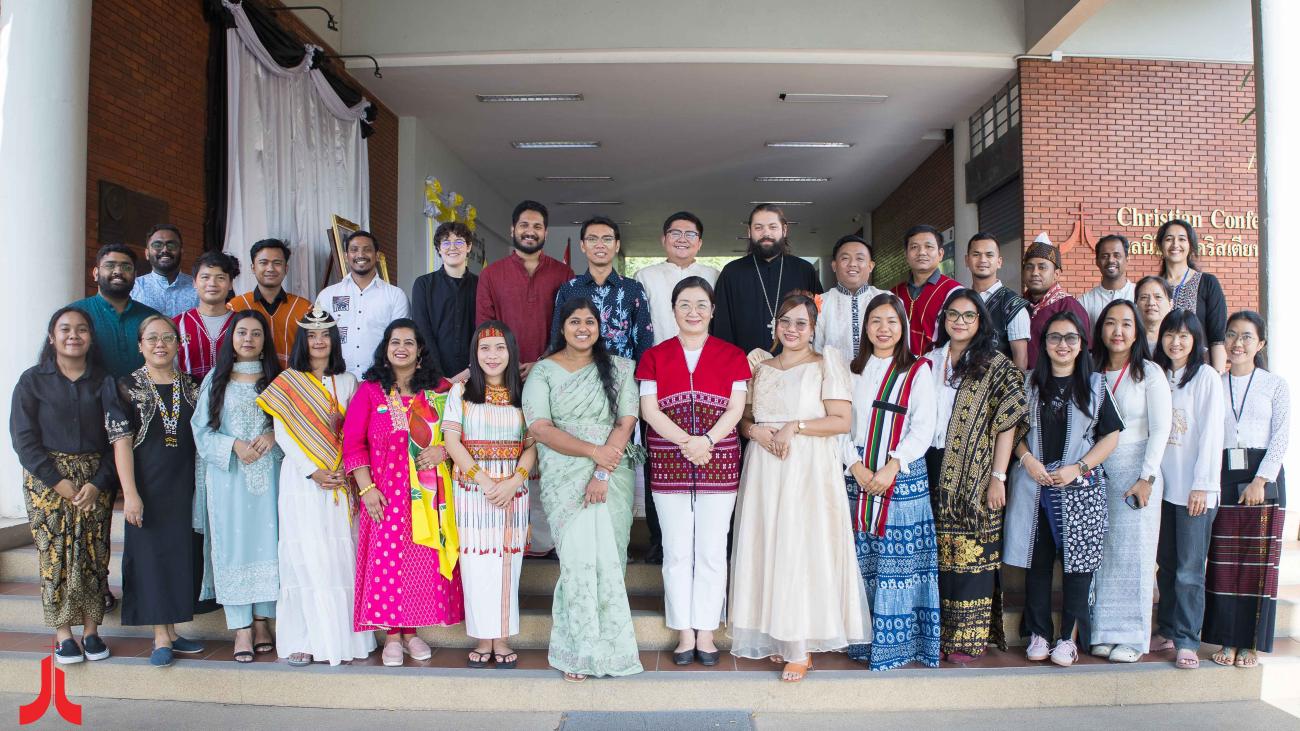
Participants of AEI 2026
Chiang Mai, Thailand: The Asian Ecumenical Institute (AEI) 2026 commenced on 6 July 2026 at the Christian Conference of Asia (CCA) headquarters in Chiang Mai, bringing together 23 young ecumenists from across Asia and beyond for CCA’s annual month-long ecumenical formation and leadership development programme.
The opening worship service, centred on the AEI 2026 theme, “Hope for Liberation Amidst the Groaning of Creation”, invited participants into a time of prayer and reflection on Christian unity and care for creation, affirming the Church’s responsibility to respond to the cries of both humanity and the earth.
Delivering the welcome address, CCA General Secretary Rev. Jung Eun Grace Moon emphasised the significance of ecumenical formation in a region marked by both immense promise and profound challenges.
“Asia today is a continent of extraordinary richness and deep contradictions. We see vibrant spiritualities and ancient cultures, growing churches and expanding mission initiatives; yet we also see widening economic inequalities, threats to democracy, violations of human rights, forced migration, the exploitation of workers, and the silencing of minorities,” said Rev. Moon.
The CCA General Secretary noted that the cries of communities affected by conflict, authoritarianism, displacement, and the climate crisis continue to resonate across the region. She also identified religious nationalism, shrinking civic space, and the emergence of “ecumenical archipelagos” as pressing challenges confronting Asian churches today.
Against this backdrop, Rev. Moon stressed that ecumenical formation is an urgent imperative for the churches in Asia. “Ecumenical formation is not a luxury; it is an urgent diaconal and pastoral necessity. AEI calls you to read the signs of the times in Asia, to let the groaning of creation and the pain of people become part of your theological reflection, your spirituality, and your leadership,” she said.
Calling on participants to become agents of transformation and renewal in their churches and communities, Rev. Moon identified three key roles for ecumenically formed young Christians: bridge-builders who foster unity across ecclesial divides; advocates who amplify the voices of workers, migrants, Indigenous peoples, and other marginalised communities; and innovators who engage new generations, digital cultures, and social movements with a robust theology of hope, justice, and unity.
Over the coming weeks, AEI participants will engage with renowned theologians, biblical scholars, ecumenical leaders, social scientists, and activists, while also drawing insights from one another’s diverse experiences and contexts, deepening their theological reflection and strengthening their understanding of the ecumenical movement.
For many participants, the month-long programme also provides a valuable opportunity to build relationships across Christian traditions, share experiences with peers from different parts of Asia, and reflect on their contribution to the ecumenical movement in their own contexts.
Yersiana Kasantri Lodia Bolo Mau, a youth leader and member of the Protestant Church in East Timor, hopes that her participation in AEI 2026 will strengthen her leadership skills. “As a youth leader, I hope to take the knowledge and experiences gained at AEI back home and share them with youth groups, ensuring that the learning continues to inspire and empower others within her community.”
Fr Mark of the Russian Orthodox Church sees the Asian Ecumenical Institute as an increasingly important platform at a time when the centre of gravity of global Christianity is shifting. He believes AEI offers a space for Asian churches to contribute their voices and experiences to the future of the global Church, while also serving as a reminder of Christianity’s roots in Asia, particularly West Asia. According to Fr Mark, AEI’s greatest strength lies in fostering personal relationships, as genuine ecumenism is built through friendship, interaction, and mutual understanding beyond formal dialogue.
Eloisa James A. Sonio, a participant from the Philippines and a pastor of the United Methodist Church, expressed her hope that the Asian Ecumenical Institute would foster meaningful fellowship networks, inspire participants to become “prophets of today” by responding faithfully to society’s needs, and amplify the voices of marginalised communities, especially women who continue to face persistent gender inequalities.
Rev. John Peter, an ordained minister of the Church of North India, hopes to deepen his understanding of the ecumenical movement by learning from the diverse Christian denominations and traditions represented at the Asian Ecumenical Institute. He views the month-long programme as an opportunity to build friendships, engage with different contextual interpretations of Scripture, and gain deeper insights into Asian perspectives on eco-justice.
AEI 2026 will conclude on 31 July 2026.