Church and ecumenical leaders explore wider ecumenism in the context of religious plurality amid regional challenges
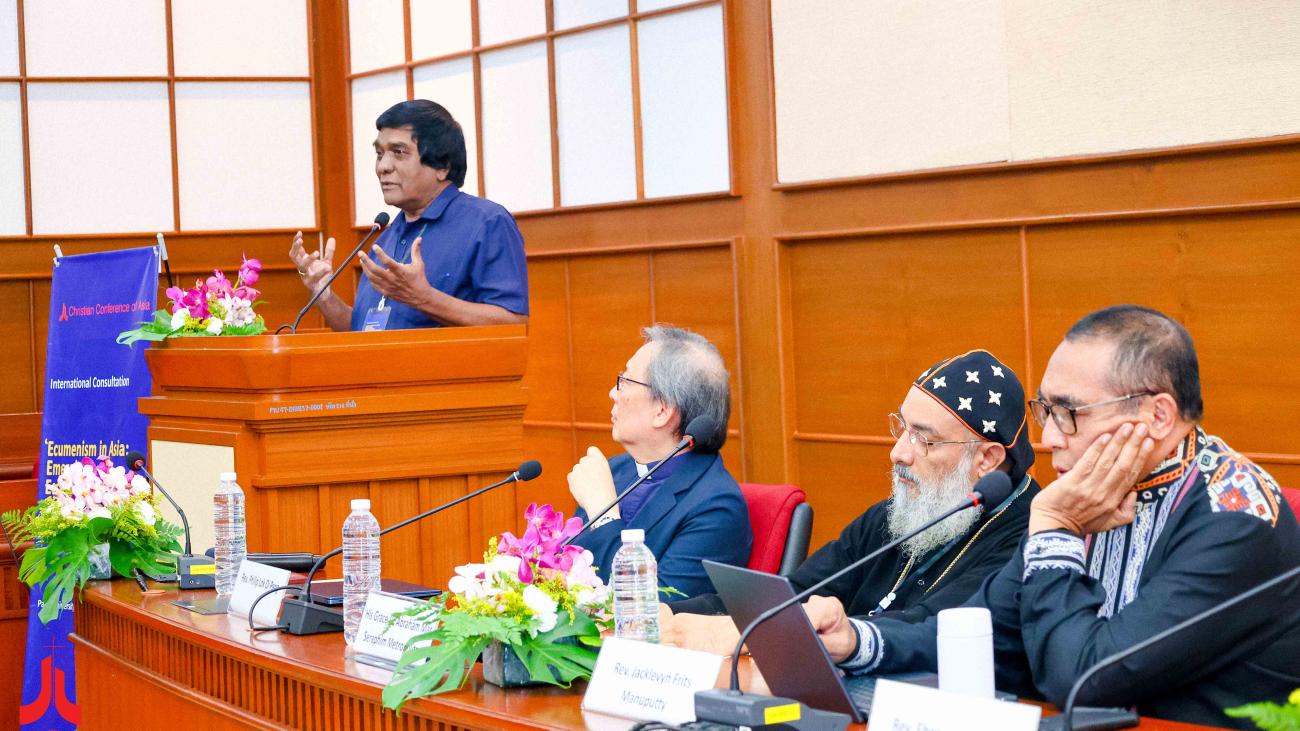
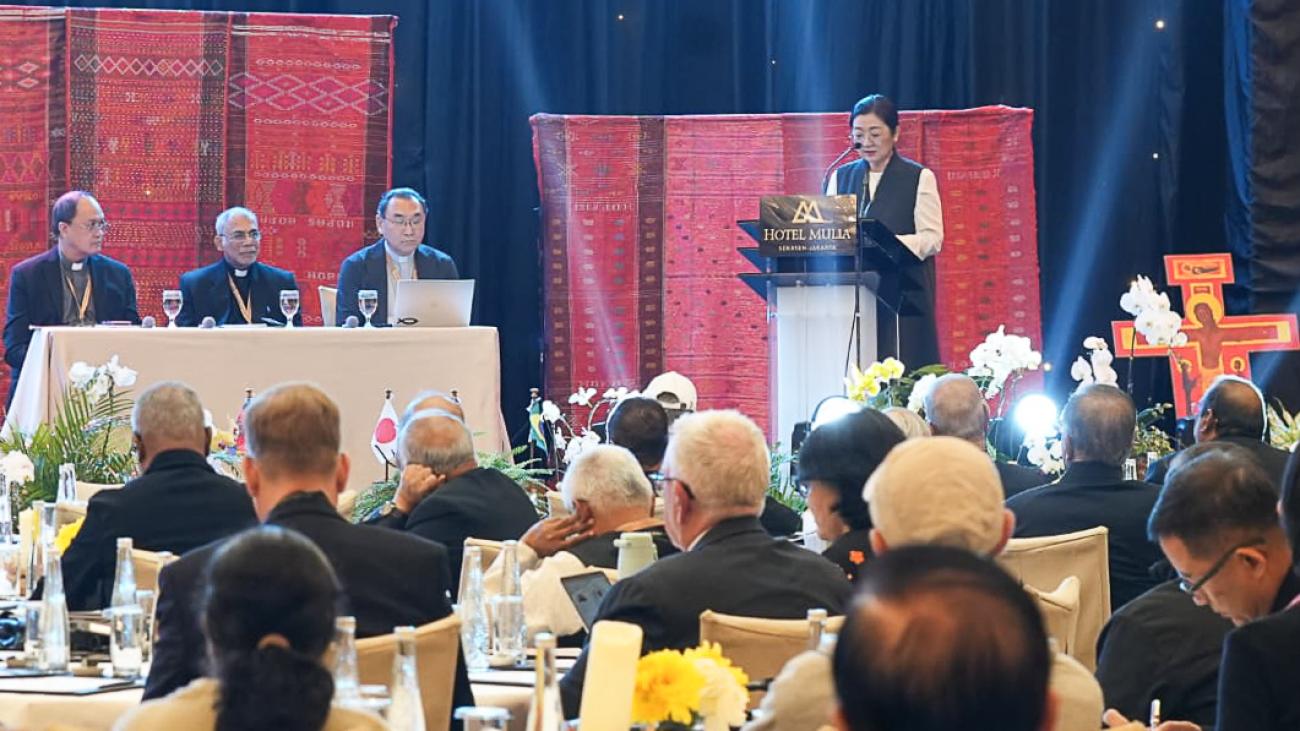
Chiang Mai, Thailand: Sharing perspectives from their respective national contexts, church and ecumenical leaders discussed the challenges facing church unity and interfaith relations during the panel presentations titled “Challenges to Wider Ecumenism Amidst the Changing Landscape of Inter-Religious Relations in Asia” on 2 June 2026.
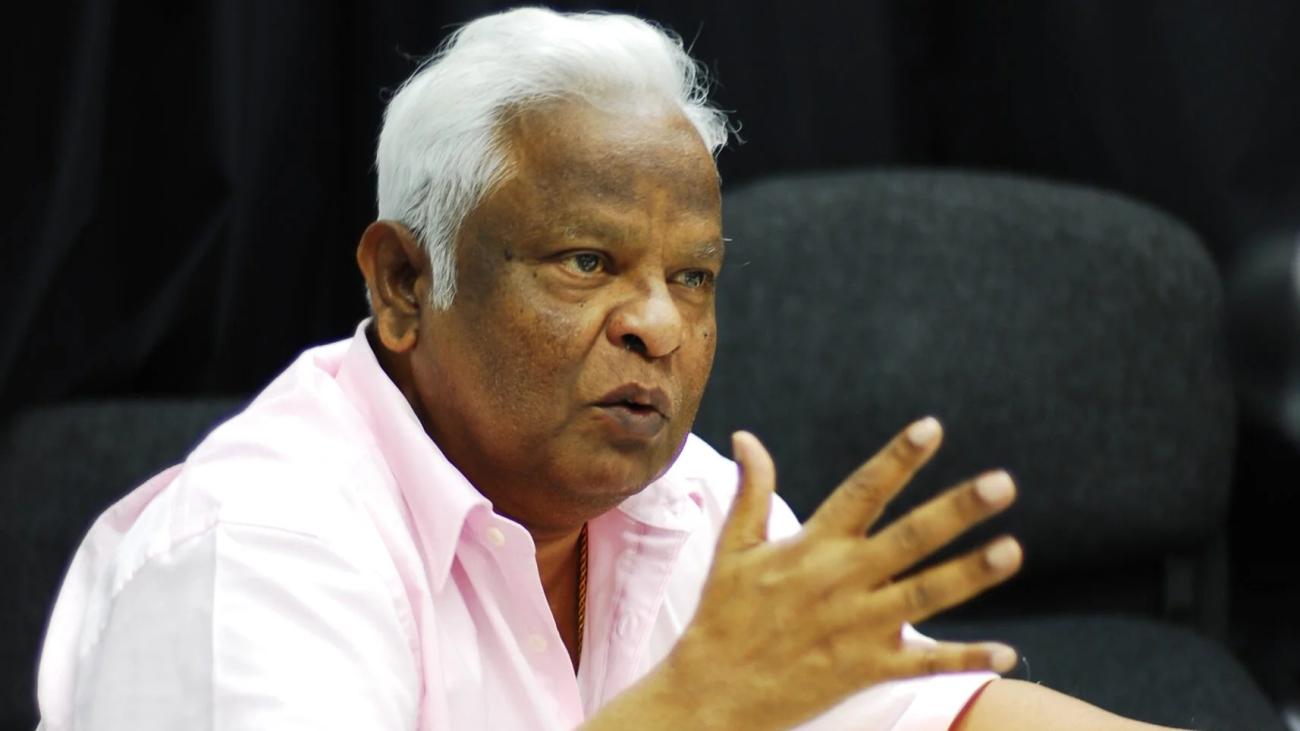
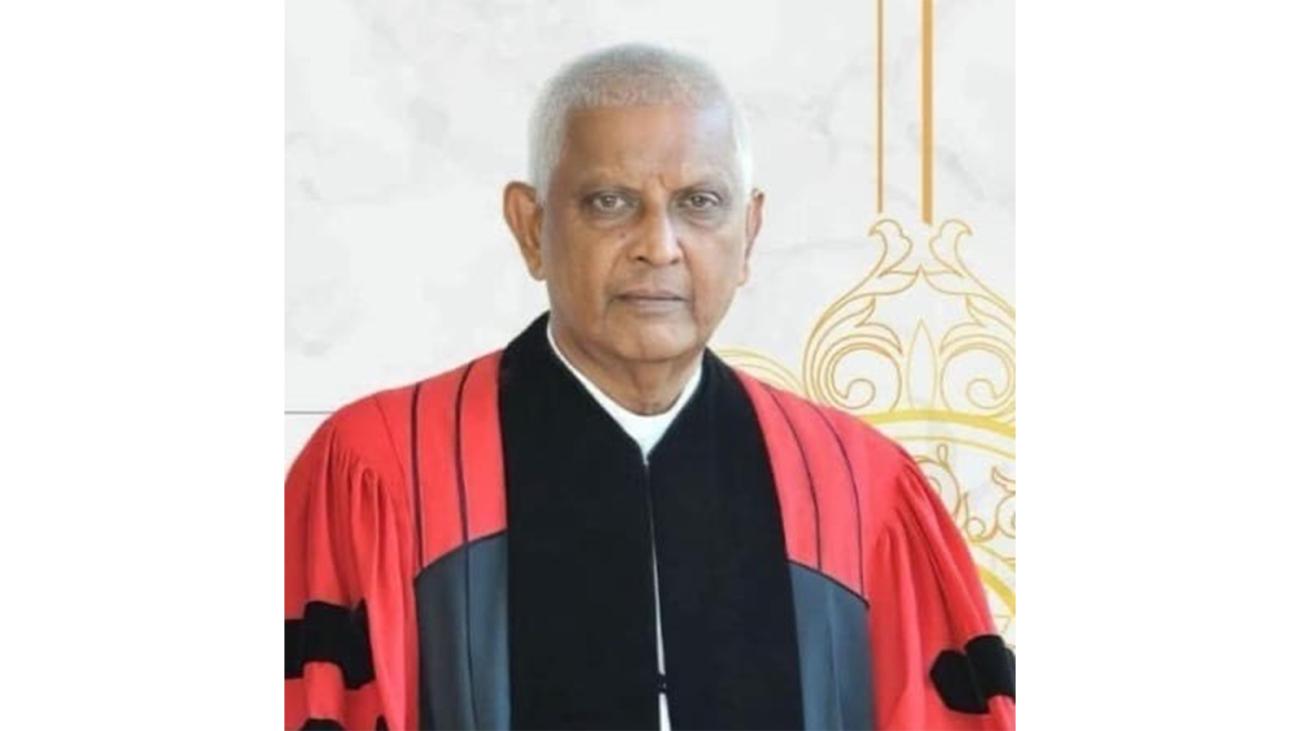
Rev. Ebenezer Joseph, member of the CCA Programme Committee and former General Secretary of the National Christian Council of Sri Lanka, spoke on the ecumenical and interfaith engagement in Sri Lanka, a country shaped by decades of conflict, political instability, economic crises, terrorism, and natural disasters.
Rev. Joseph stated that ecumenism should extend beyond institutional dialogue and theological discussions, noting that communities in Sri Lanka have long shared festivals, life events, and relationships across religious boundaries. “The wider ecumenism is not something new. It is a matter of rediscovering what we have lost,” he said.
With religion increasingly influenced by political interests, nationalism, and geopolitical forces, new challenges for interfaith relations emerge, cautioned Rev. Ebenezer Joseph. He stressed that authentic engagement requires moving beyond labels and building relationships grounded in trust, respect, and mutual understanding.
Emphasising that the Church is called not only to teach but also to listen to and learn from people of other faiths, Rev. Ebenezer Joseph noted that cooperation often grows through shared responses to social, humanitarian, and environmental challenges, where common action can foster deeper trust, solidarity, and understanding.
Rev. Jacklevyn Frits Manuputty, General Chairperson of the Communion of Churches in Indonesia (PGI), highlighted the evolving character of Indonesia’s ecumenical movement, emphasising a shift from discussions of structural church unity towards “unity in action.” He noted that churches increasingly recognise that their unity is expressed through shared mission and collaborative responses to common challenges rather than through institutional structures alone.
Speaking on the current state of ecumenism in Indonesia, Rev. Manuputty noted that the movement has expanded significantly, with PGI membership growing from 30 synods in 1950 to 105 synods in 2026. The inclusion of Pentecostal, Charismatic, and Evangelical churches has enriched the ecumenical landscape while underscoring the need for greater ecumenical literacy, mutual learning, and openness among diverse Christian traditions.
Rooted in the concept of the world as God’s household, the ecumenical movement today extends beyond interchurch relations and seeks to promote justice, peace, human dignity, and ecological sustainability. Churches across Indonesia are actively building networks to address poverty, human rights concerns, environmental degradation, human trafficking, and educational inequalities.
Despite these encouraging developments, he acknowledged significant challenges, including church fragmentation, identity politics, social media-driven polarisation, religious intolerance, and the rise of authoritarian and militaristic tendencies. More than 200 registered church synods remain outside the PGI, reflecting the ongoing challenge of Christian disunity.
Rev. Manuputty called for stronger grassroots participation, greater involvement of young people, deeper interfaith cooperation, and collective advocacy for freedom of religion and belief. He emphasised that the ultimate goal of the ecumenical movement is not merely social harmony but transformative action for justice, peace, and the flourishing of all creation.
Rev. Dr Philip Lok, General Secretary of the Council of Churches of Malaysia (CCM), described interfaith relations in Malaysia as active and resilient, strengthened by shared concerns over growing Islamic conservatism and religious fundamentalism. He highlighted the role of the Malaysian Consultative Council of Buddhism, Christianity, Hinduism, Sikhism, and Taoism (MCCBCHST), whose “Many Faiths, One Nation” vision has fostered cooperation among non-Muslim communities. However, he noted that interfaith engagement remains constrained by the lack of formal dialogue with Islamic authorities and the unequal status accorded to religions within official structures.
Reflecting on the ecumenical movement in Malaysia, Rev. Dr Lok expressed concern over declining commitment to ecumenical work. While churches have become more financially independent and self-governing, this has weakened their sense of interdependence and conciliar fellowship, he said. Signs of this decline include lower participation in ecumenical activities, reduced emphasis on ecumenical formation, and diminishing financial support for ecumenical initiatives.
The CCM General Secretary called for a renewed vision of Asian ecumenism rooted more deeply in local congregations rather than leadership circles alone. He stressed the importance of grassroots participation, greater relevance to the realities of Asian churches, and a stronger Asian voice in shaping the global ecumenical agenda.
While cooperation in addressing external challenges remains necessary, Rev. Dr Lok cautioned against reducing ecumenism to pragmatic alliances. He urged churches to remain committed to the long-term goal of organic Christian unity, expressing hope that renewed dedication to this vision would revitalise the ecumenical movement in Asia and advance Christ’s prayer “that they may all be one.”
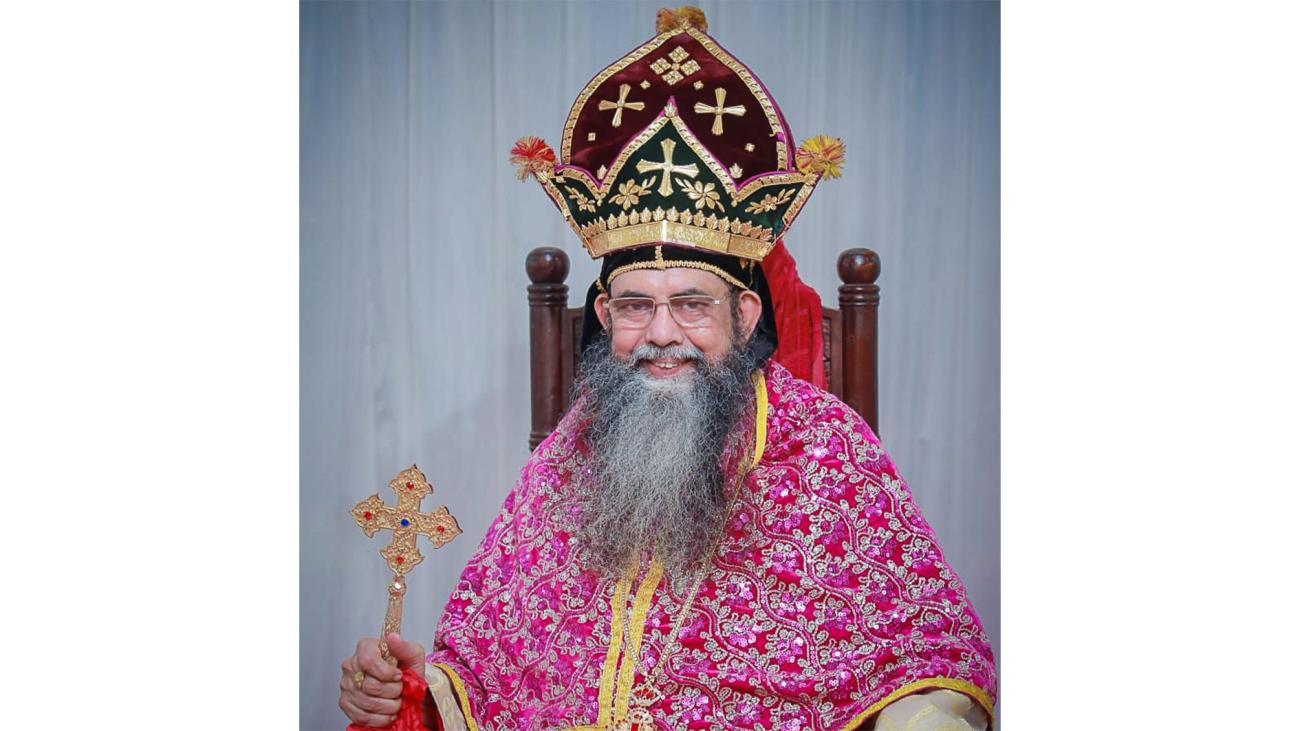
His Grace Dr Abraham Mar Seraphim, Metropolitan of the Malankara Orthodox Syrian Church, and CCA-FABC Asian Ecumenical Committee member, moderated the session.