International conference calls for stronger global action for ensuring people’s security and peace with justice in Myanmar
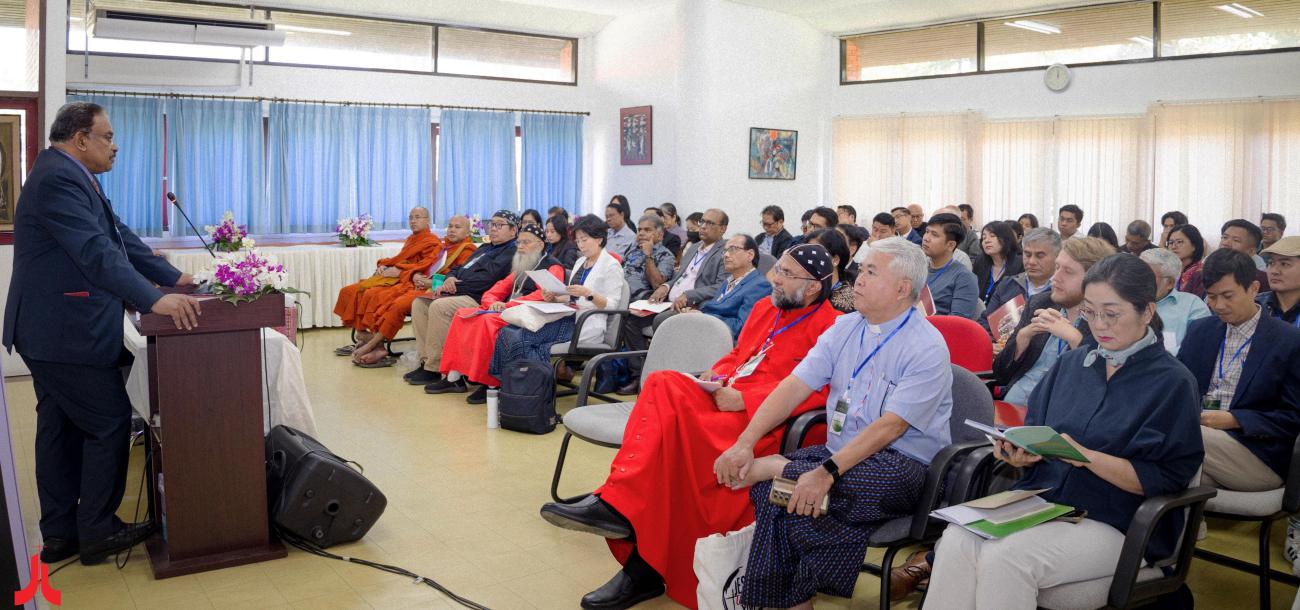
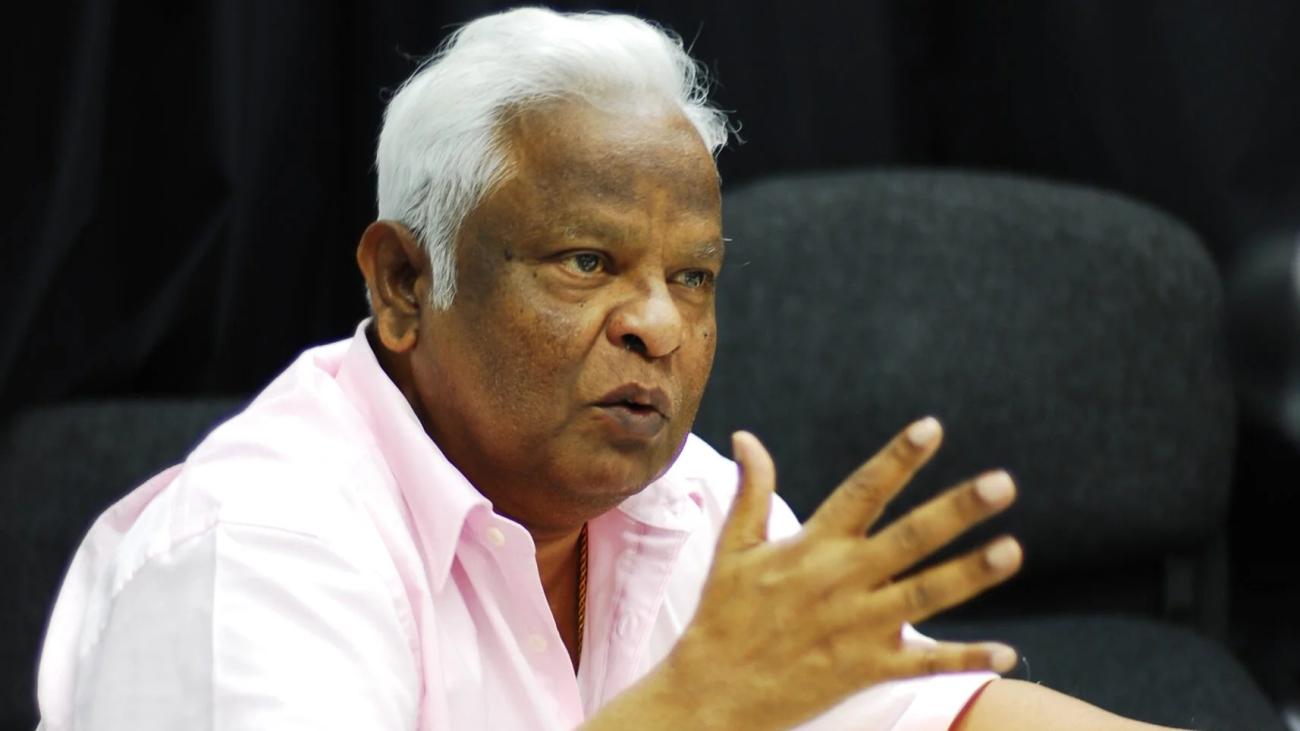
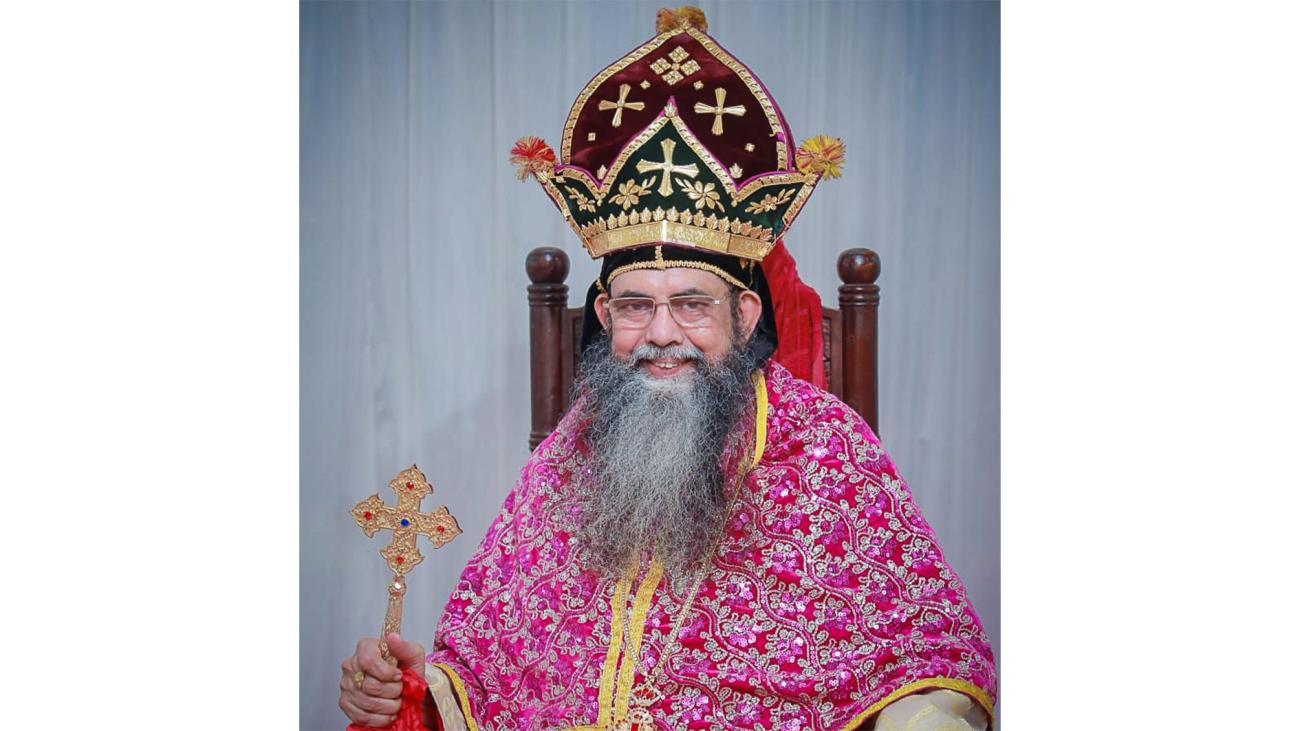
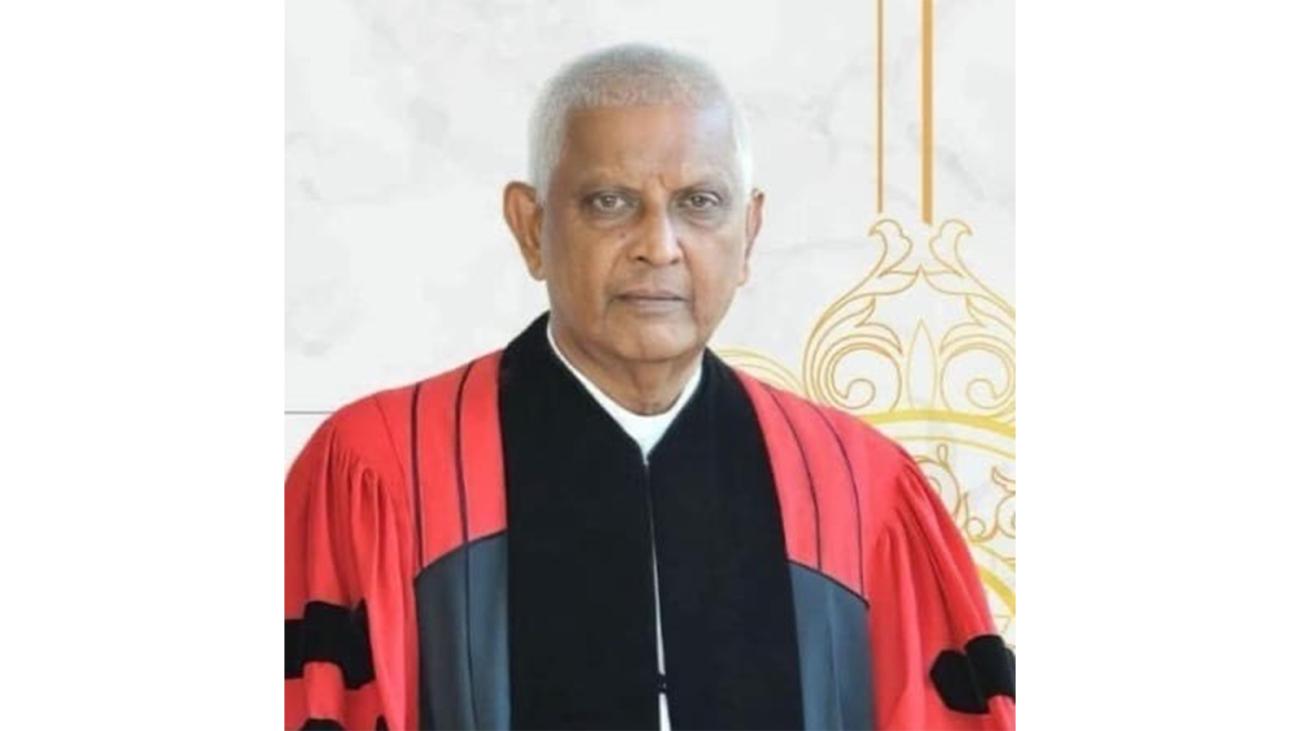
CCA General Secretary Dr Mathews George Chunakara delivering the opening address
Chiang Mai, Thailand: The Christian Conference of Asia (CCA) organised an International Conference on “Towards a Global Advocacy for People’s Security, Peace with Justice, and Democratisation in Myanmar” from 26 to 28 November 2025 in Chiang Mai, Thailand.
Building on the recommendations of the international consultation held in Bangna, Thailand, in 2024, CCA initiated the Myanmar Ecumenical Solidarity Accompaniment Programme (MESAP). The 2025 international conference served as a follow-up platform to deepen collaboration, strengthen advocacy strategies, and develop more concrete collective actions in response to the worsening situation in Myanmar.
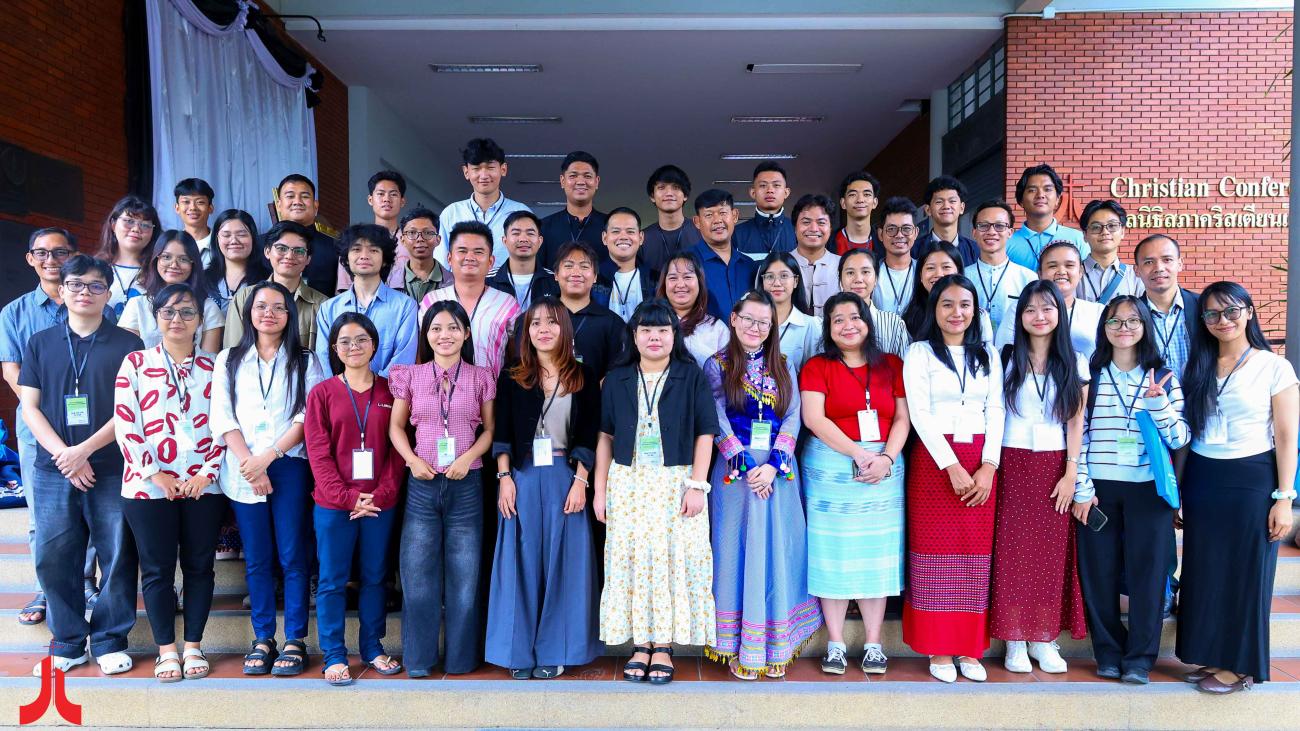
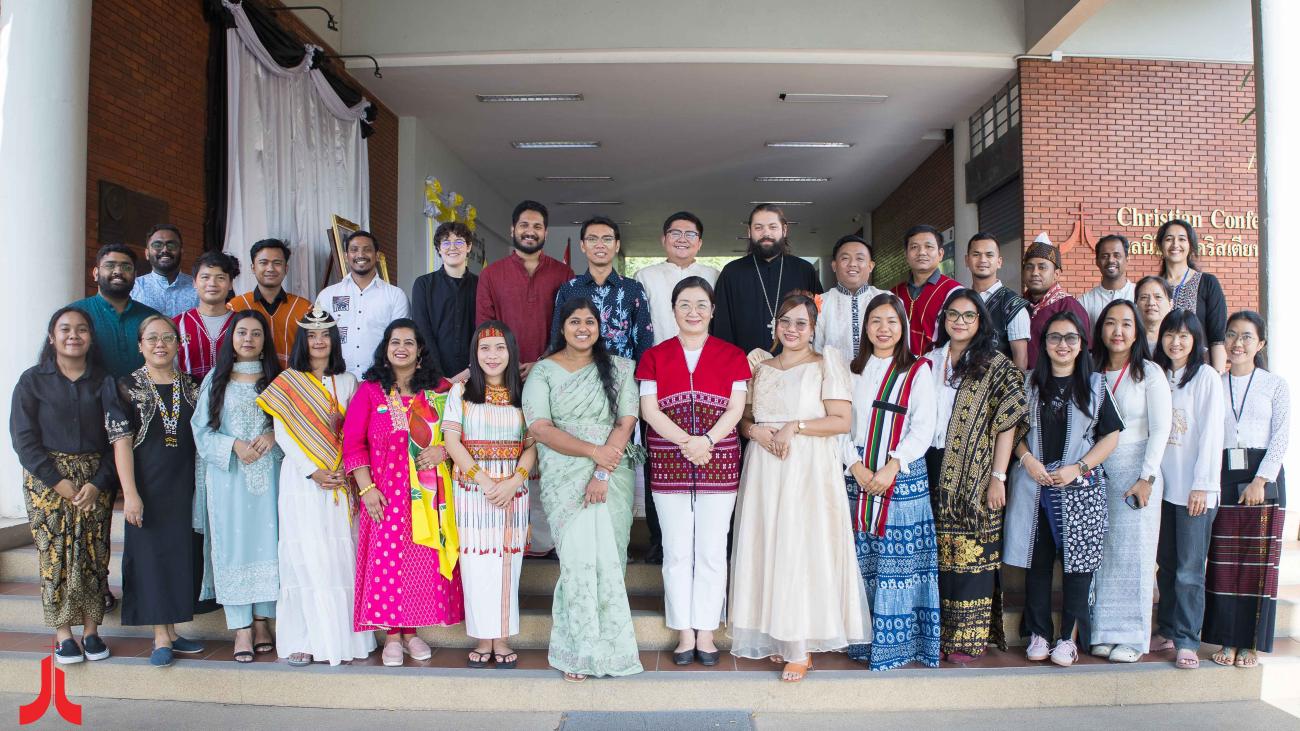
The international conference brought together over 60 participants, including representatives of churches, ecumenical organisations, civil society organisations, peace activists, social workers, and academics.
Dr Mathews George Chunakara, General Secretary of the CCA, opened the international conference and, in his opening address, outlined the emerging trends in Myanmar’s crisis. He stated that as the situation in Myanmar remains volatile, finding a path towards a peaceful political resolution continues to be a crucial challenge.
Dr Chunakara explained that what is happening now in the country is manifested at different levels, including the efforts of the resistance movement that are spreading across the country. This movement is not only focusing on reinstating democracy but also pushing for a federal democratic system that devolves power to ethnic administrations that have been critical to Myanmar’s existence for decades.
He added that the impact of the crisis has multiple implications, including widespread illicit trade, drug production, cyber scams, and human trafficking. Different studies have revealed that the country has become a global epicentre of methamphetamine and opium products.
The CCA General Secretary further referred to the most recent decision of the US administration to terminate the designation of Temporary Protected Status (TPS) for Myanmar citizens.
Explaining the complexities and wider repercussions of the newly introduced policy of the US under the pretext of Myanmar’s “notable progress in governance and stability”, Dr Chunakara added that the new policy of the US government will affect thousands of Myanmar citizens living in the US who will be forced to leave as the TPS designation is withdrawn.
The three-day international conference provided a space for discussions on coordinated and systematic advocacy to ensure people’s security, sustain peace, and help end the ongoing crisis in Myanmar.
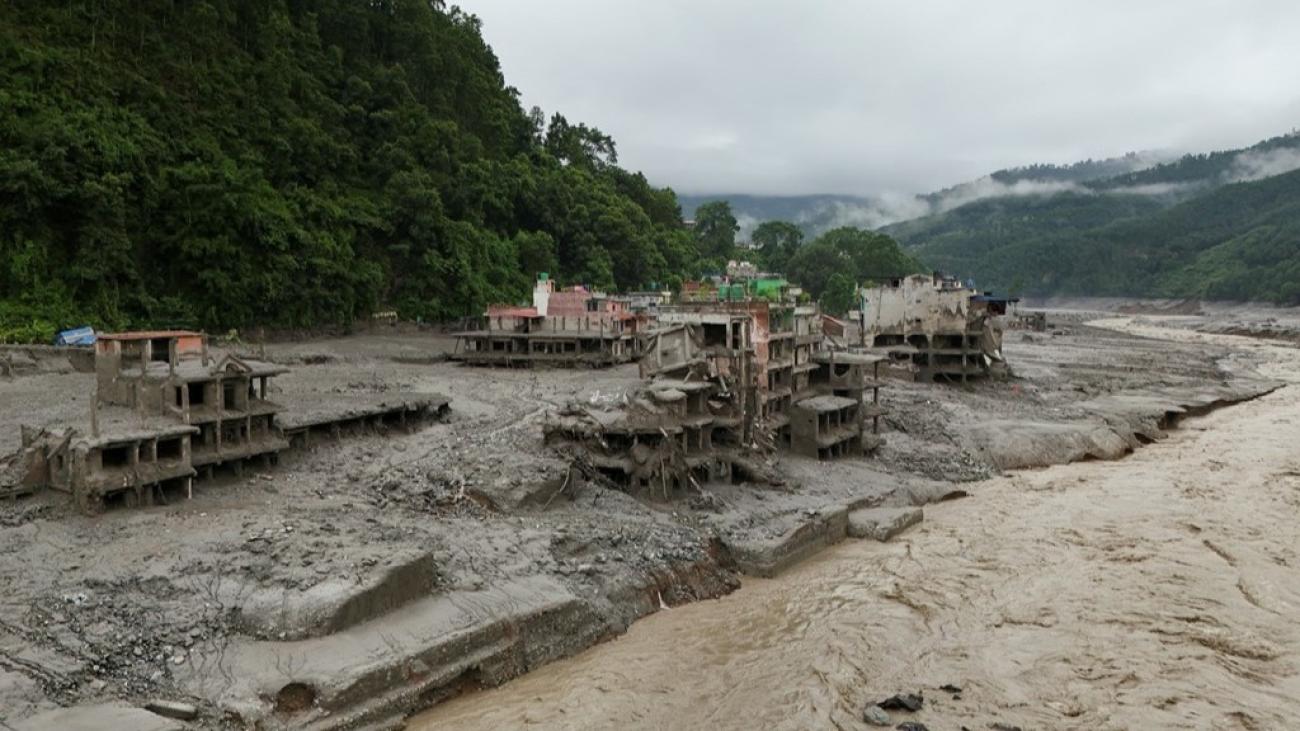
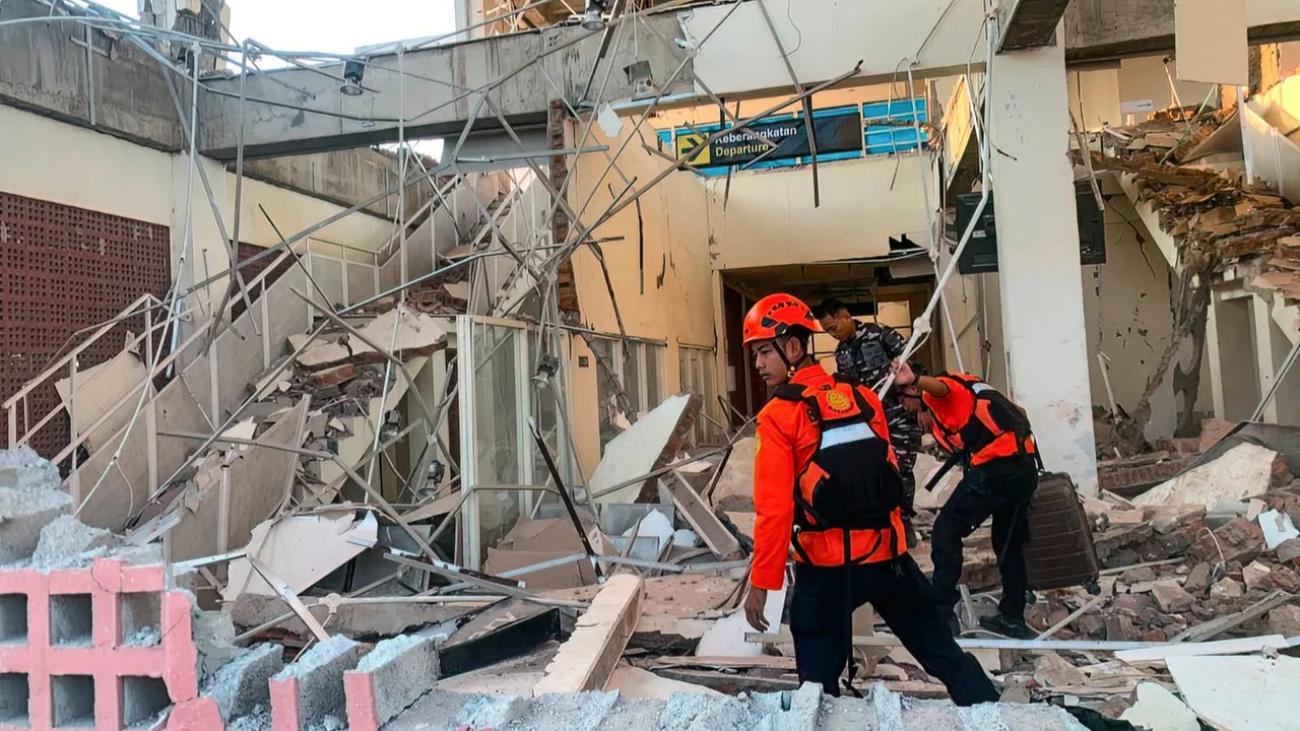
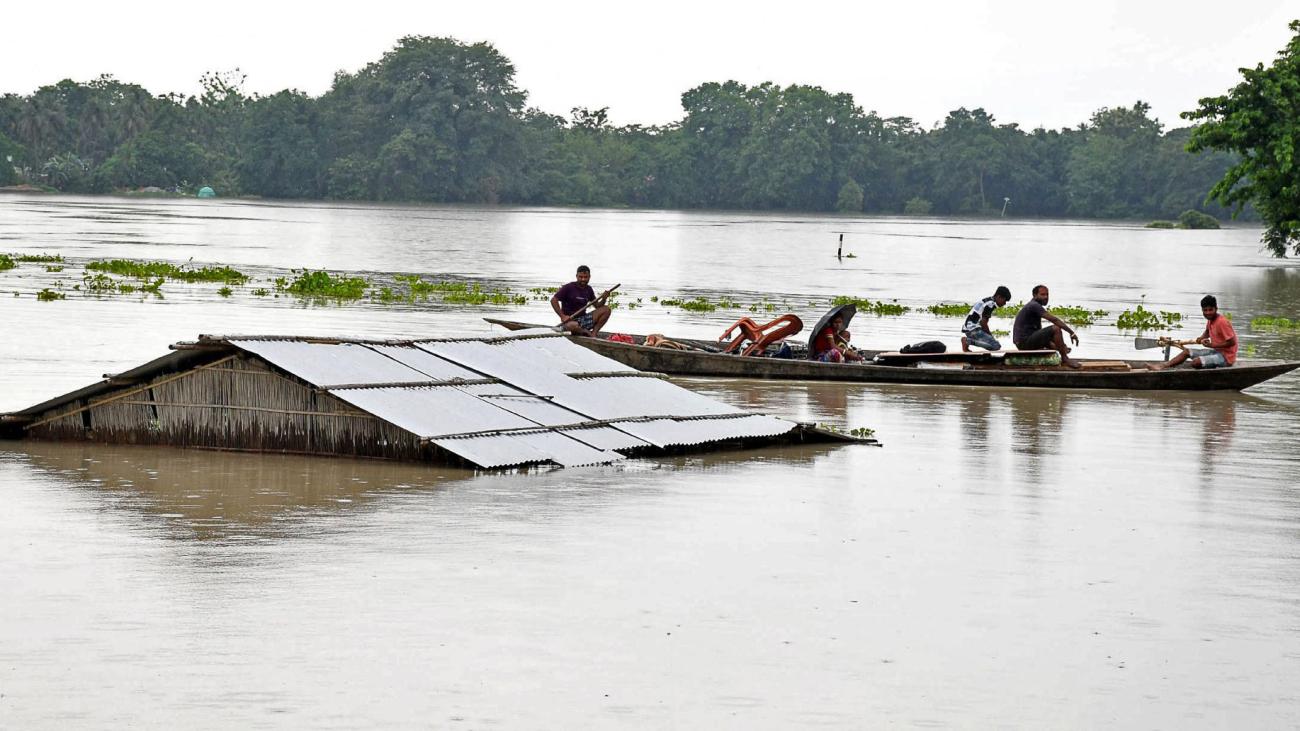
The participants, attending the conference from Asia, Europe, and North America, highlighted the grave challenges and daily struggles confronting the people of Myanmar, further exacerbated by the deadly March 2025 earthquake, which caused extensive devastation across several regions. Armed conflict continues nationwide, resulting in widespread displacement, the collapse of essential services, and severe disruptions to education. A growing mental health crisis particularly affecting children, youth, and ethnic communities was noted as an urgent concern requiring coordinated humanitarian and psychosocial response efforts.
Despite these escalating hardships, participants affirmed the resilience of the Myanmar people and their enduring aspirations for peace, security, and a dignified future in their homeland. They stressed that sustainable peace would require structural and systemic reforms, together with strengthened international solidarity and more effective global advocacy.
The international conference served as a platform to analyse emerging opportunities, formulate collective strategies, and reinforce ecumenical collaboration for long-term engagement on Myanmar.
Key sessions included: “Myanmar’s Fragile Landscape: Armed Conflicts, Humanitarian Crisis, and Prospects for Local Peacebuilding”; “Voices from Grassroots, Civil Society and Displaced Communities”; “Myanmar Elections in December 2025”; “Inclusive Leadership Amid Crisis: Empowering Women, Youth, and Ethnic Communities for Peacebuilding and Reconstruction”; “Faith and Resilience in the Midst of Turmoil”; “Faith-based Approaches and Collaboration in Peacebuilding”; “Building Effective Global Advocacy through Multilateral Organisations and Civil Society”; and “Churches and Faith Communities Responding to Myanmar’s Crisis”.
At the conclusion of the conference, participants adopted a communiqué outlining shared commitments and proposed directions for strengthened global advocacy and solidarity with the people of Myanmar, and affirmed continued support through the ecumenical initiative of the Myanmar Ecumenical Solidarity Accompaniment Programme (MESAP).