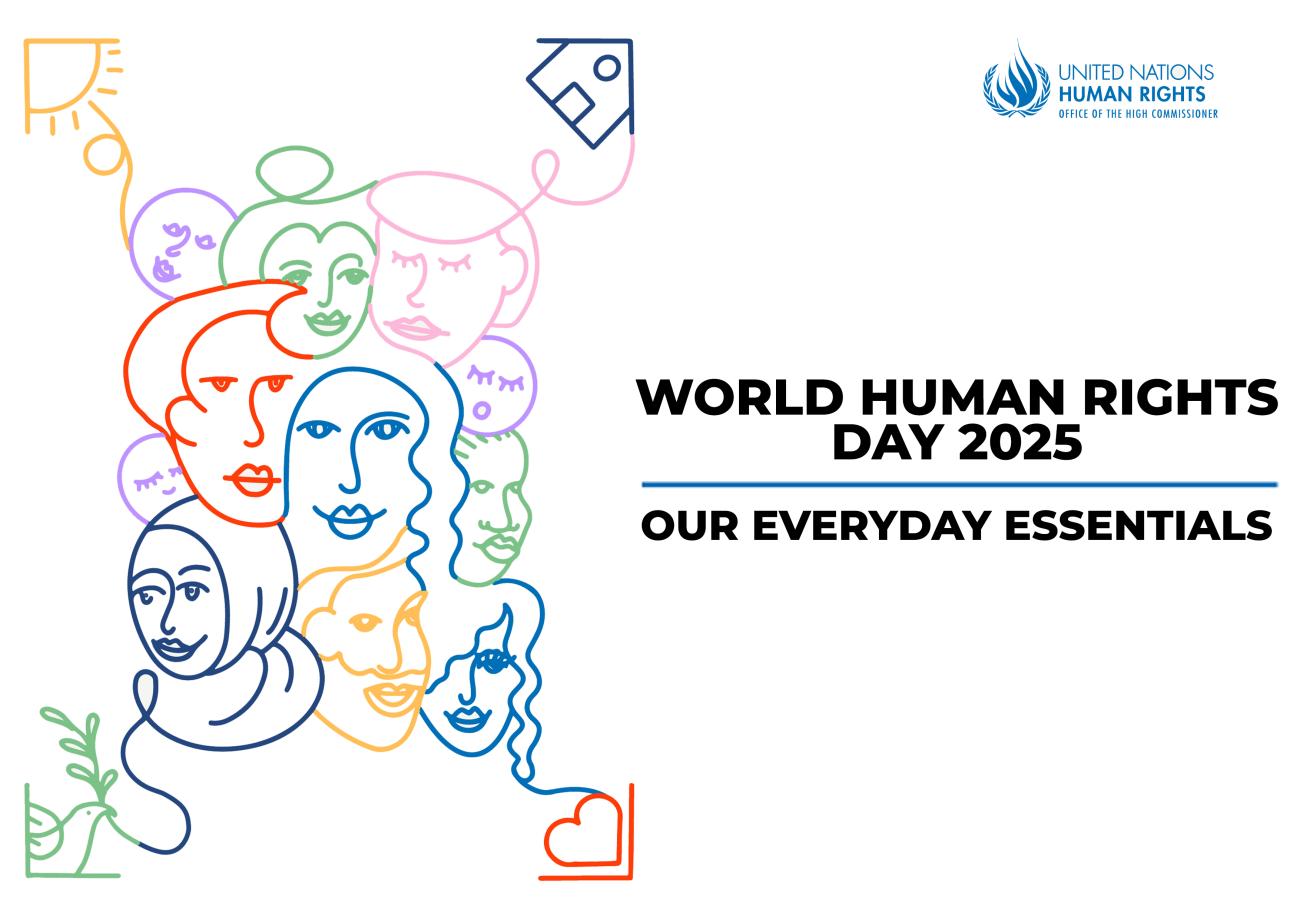
CCA reaffirms human rights as “Everyday Essentials” on Human Rights Day-2025
Programme Review and Programme Direction

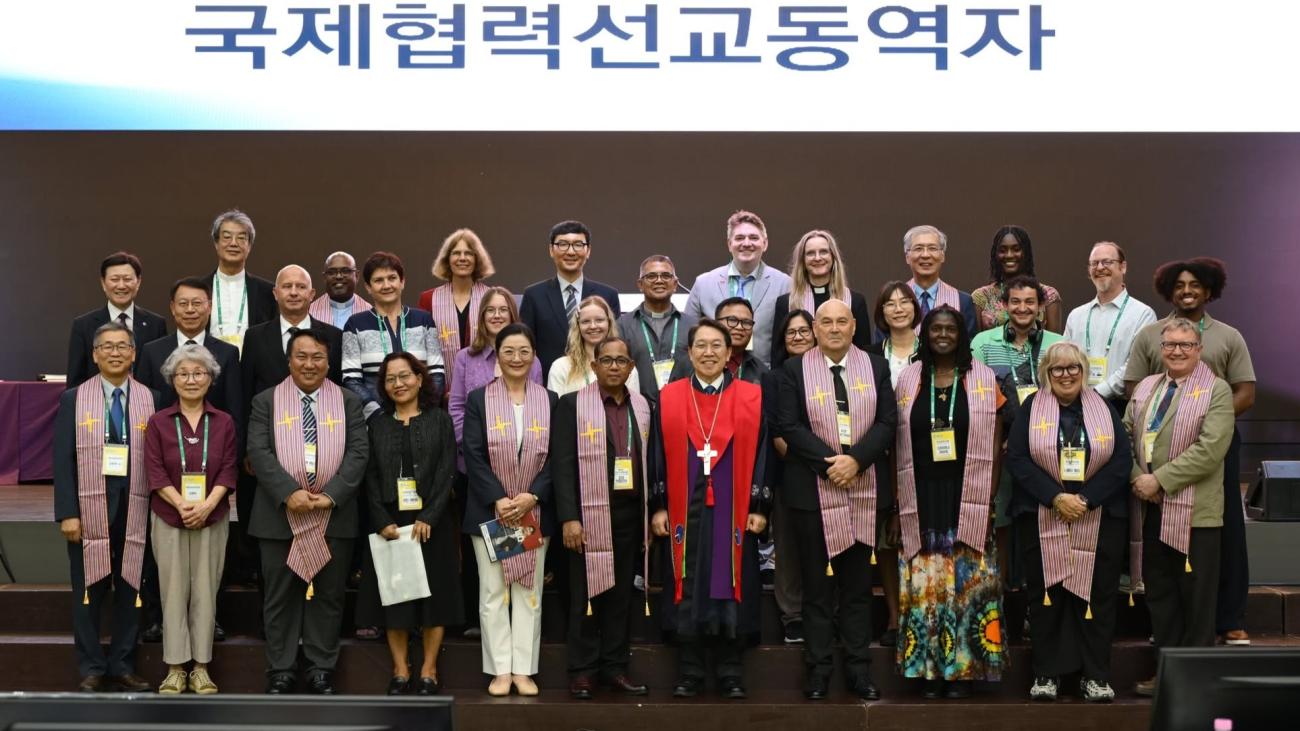
Two key deliberative sessions during the 15th CCA General Assembly are the Programme Review and Programme Direction sessions.

The Programme Review and Programme Direction sessions will both be conducted in three groups relating to the CCA’s programme areas, namely, (i) General Secretariat (GS), (ii) Mission in Unity and Contextual Theology (MU) and Ecumenical Leadership Formation and Spirituality (EF); and (iii) Building Peace and Moving Beyond Conflicts (BP) and Prophetic Diakonia (PD).

Assembly participants will have the option to join one of three groups for both the Programme Review and Programme Direction sessions. For the sake of coherence, the assigned group will remain the same for both sessions.

General Secretariat

The General Secretariat oversees the coordination of programmatic, administrative, and financial activities of the organization. The GS comprises various departments such as church and ecumenical relations, relations with ecumenical partners, finance, administration, and communications, which provide crucial support and services for the implementation of programs and contribute to the overall functioning of the CCA.

Programmes: Relations with member churches and councils, ecumenical partners; advocacy at the United Nations; ecumenical responses to emerging issues in solidarity; income development and finance; and communications.

Mission in Unity and Contextual Theology (MU) and Ecumenical Leadership Formation and Spirituality (EF)

Under the MU programme area, the CCA accompanies Asian churches to strengthen their mission and witness in multi-religious contexts, revitalise and nurture church unity and the Asian ecumenical movement, and develop contextual theological foundations.

Programmes: Asian Movement for Christian Unity (AMCU); Congress of Asian Theologians (CATS); Asian women doing theology in the context of wider ecumenism; contextualisation of theology in Asia and ecumenical theological education.

The EF programme area focuses on nurturing and developing ecumenical leaders in Asia. The programme aims to enhance spiritual formation and theological understanding, enabling people to actively engage in ecumenical dialogue and collaboration.

Programmes: Ecumenical Enablers’ Training in Asia (EETA); Asian Ecumenical Institute (AEI); Youth and Women Leadership Development; Ecumenical Spirituality and Nurturing of Contextual Liturgical Traditions; Asia Sunday

Building Peace and Moving Beyond Conflicts (BP) and Prophetic Diakonia and Advocacy (PD)

The BP programme area is dedicated to promoting peace, justice, and reconciliation in Asia’s diverse contexts. Through training, advocacy, and dialogue, the programme addresses the root causes of conflicts, empowers communities, and fosters sustainable peacebuilding initiatives.

Programmes: Pastoral Solidarity Visits; Churches in Action for Moving Beyond Conflict and Resolution; Young Ambassadors of Peace in Asia (YAPA); Ecumenical Women’s Action Against Violence (EWAAV); Eco-Justice for Sustainable Peace in the Oikos.

The PD programme area focuses on promoting justice, human rights, and social transformation in Asia. Through advocacy, capacity-building, and raising awareness, the programme addresses systemic injustice, empowers marginalised communities, and advocates for prophetic actions and meaningful change.

Programmes: Human Rights advocacy; Migration, Statelessness, and Trafficking in Persons; Asian Ecumenical Disability Advocacy Network; Asian Advocacy Network on the Dignity and Rights of Children (AANDRoC); Ecumenical Solidarity Accompaniment and Diakonia in Asia (ESADA); Health and Healing; Good Governance; Action Together to Combat HIV and AIDS in Asia (ATCHAA).

No preference updated.

    Photo credit: OHCHR

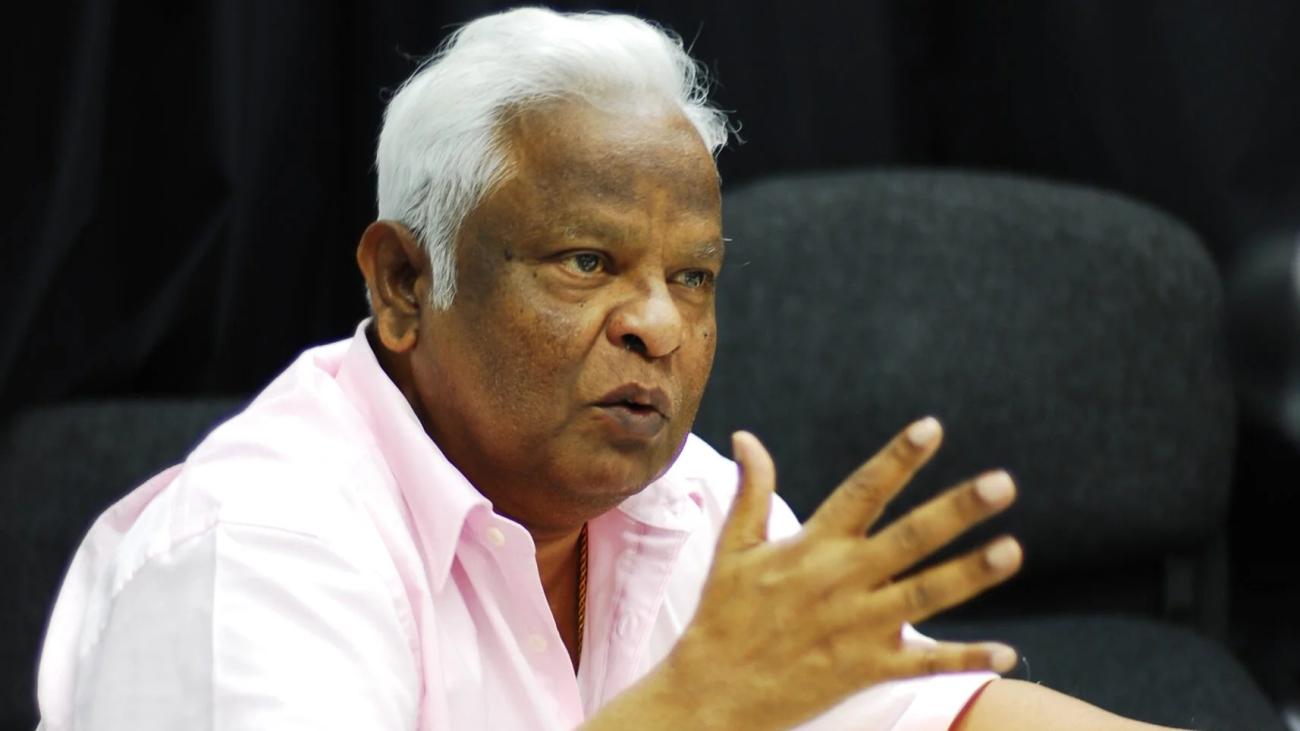
    Chiang Mai, Thailand: Reflecting on this year’s Human Rights Day theme, “Our everyday essentials”, Christian Conference of Asia (CCA) General Secretary Dr Mathews George Chunakara emphasised that human rights are not distant ideals but realities that shape daily life and ensure safety, opportunity, belonging, and freedom. He reaffirmed that human rights are the “everyday essentials” that allow all people to live with dignity.

    In a statement released on 10 December 2025, the CCA General Secretary highlighted the shared responsibility to stand in solidarity with one another and uphold the common good. “Human rights provide the foundation that unites us across differences and anchors us in times of uncertainty,” he said, noting that human rights are both essential and attainable when individuals act with respect, compassion, and courage.

    Dr Chunakara expressed deep concern over the growing threats to human rights across Asia. Political turmoil, militarisation, repression, and armed conflict continue to inflict fear and suffering on millions. Human rights defenders and media persons face surveillance, arbitrary detention, and persecution. Violence and discrimination against women, girls, Indigenous peoples, and minorities remain widespread, while civic freedoms are increasingly restricted in several Asian countries.

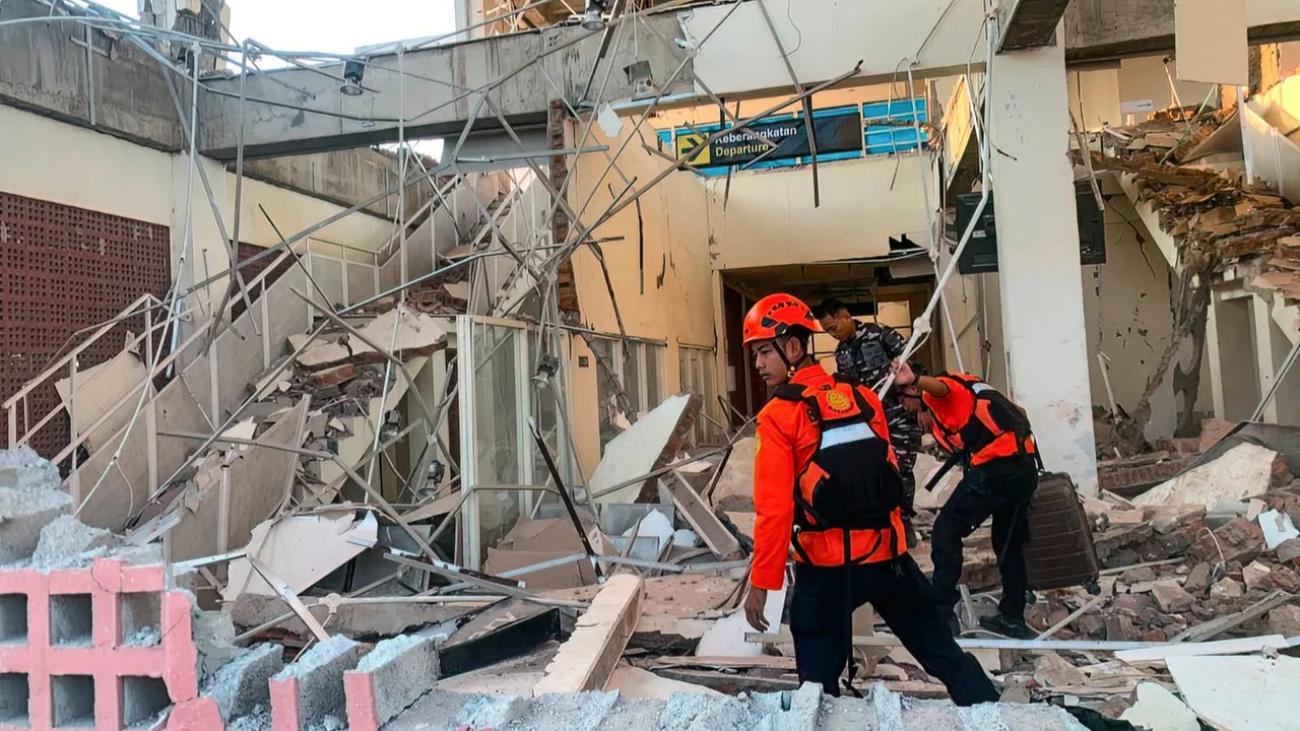
    The CCA General Secretary also drew attention to large-scale humanitarian crises worsened by climate change. Recent floods and landslides in Indonesia, Sri Lanka, and Thailand have resulted in the loss of more than 1,600 lives and displaced over a million people, revealing how extreme weather threatens basic rights to safety, shelter, healthcare, and livelihood, especially for the most vulnerable.

    CCA called on its member churches and councils to strengthen their role as advocates for justice, defenders of human rights, and protectors of human dignity, urging churches to be a voice for the voiceless and a refuge for the vulnerable.

    The full text of the CCA General Secretary’s Statement can be found here: