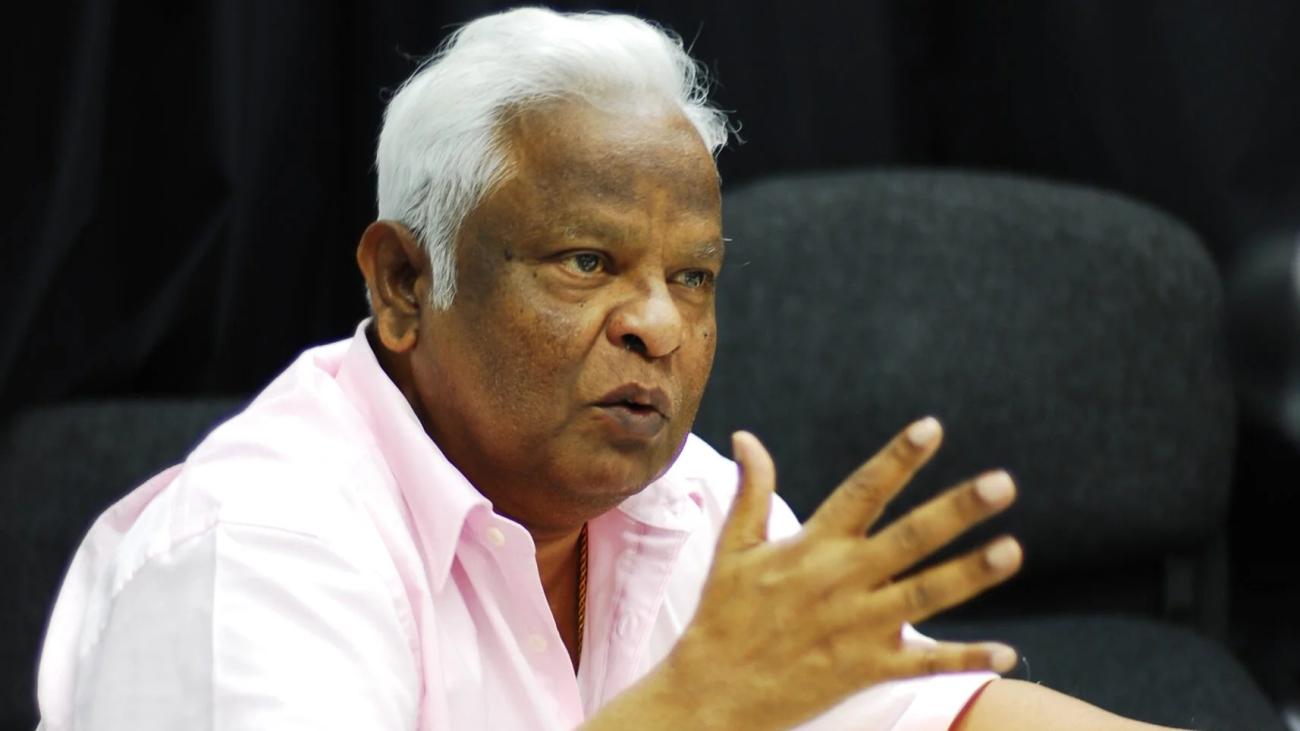
CCA mourns the passing of Asia’s veteran human rights defender Basil Fernando
Programme Review and Programme Direction

Two key deliberative sessions during the 15th CCA General Assembly are the Programme Review and Programme Direction sessions.

The Programme Review and Programme Direction sessions will both be conducted in three groups relating to the CCA’s programme areas, namely, (i) General Secretariat (GS), (ii) Mission in Unity and Contextual Theology (MU) and Ecumenical Leadership Formation and Spirituality (EF); and (iii) Building Peace and Moving Beyond Conflicts (BP) and Prophetic Diakonia (PD).

Assembly participants will have the option to join one of three groups for both the Programme Review and Programme Direction sessions. For the sake of coherence, the assigned group will remain the same for both sessions.

General Secretariat

The General Secretariat oversees the coordination of programmatic, administrative, and financial activities of the organization. The GS comprises various departments such as church and ecumenical relations, relations with ecumenical partners, finance, administration, and communications, which provide crucial support and services for the implementation of programs and contribute to the overall functioning of the CCA.

Programmes: Relations with member churches and councils, ecumenical partners; advocacy at the United Nations; ecumenical responses to emerging issues in solidarity; income development and finance; and communications.

Mission in Unity and Contextual Theology (MU) and Ecumenical Leadership Formation and Spirituality (EF)

Under the MU programme area, the CCA accompanies Asian churches to strengthen their mission and witness in multi-religious contexts, revitalise and nurture church unity and the Asian ecumenical movement, and develop contextual theological foundations.

Programmes: Asian Movement for Christian Unity (AMCU); Congress of Asian Theologians (CATS); Asian women doing theology in the context of wider ecumenism; contextualisation of theology in Asia and ecumenical theological education.

The EF programme area focuses on nurturing and developing ecumenical leaders in Asia. The programme aims to enhance spiritual formation and theological understanding, enabling people to actively engage in ecumenical dialogue and collaboration.

Programmes: Ecumenical Enablers’ Training in Asia (EETA); Asian Ecumenical Institute (AEI); Youth and Women Leadership Development; Ecumenical Spirituality and Nurturing of Contextual Liturgical Traditions; Asia Sunday

Building Peace and Moving Beyond Conflicts (BP) and Prophetic Diakonia and Advocacy (PD)

The BP programme area is dedicated to promoting peace, justice, and reconciliation in Asia’s diverse contexts. Through training, advocacy, and dialogue, the programme addresses the root causes of conflicts, empowers communities, and fosters sustainable peacebuilding initiatives.

Programmes: Pastoral Solidarity Visits; Churches in Action for Moving Beyond Conflict and Resolution; Young Ambassadors of Peace in Asia (YAPA); Ecumenical Women’s Action Against Violence (EWAAV); Eco-Justice for Sustainable Peace in the Oikos.

The PD programme area focuses on promoting justice, human rights, and social transformation in Asia. Through advocacy, capacity-building, and raising awareness, the programme addresses systemic injustice, empowers marginalised communities, and advocates for prophetic actions and meaningful change.

Programmes: Human Rights advocacy; Migration, Statelessness, and Trafficking in Persons; Asian Ecumenical Disability Advocacy Network; Asian Advocacy Network on the Dignity and Rights of Children (AANDRoC); Ecumenical Solidarity Accompaniment and Diakonia in Asia (ESADA); Health and Healing; Good Governance; Action Together to Combat HIV and AIDS in Asia (ATCHAA).

No preference updated.

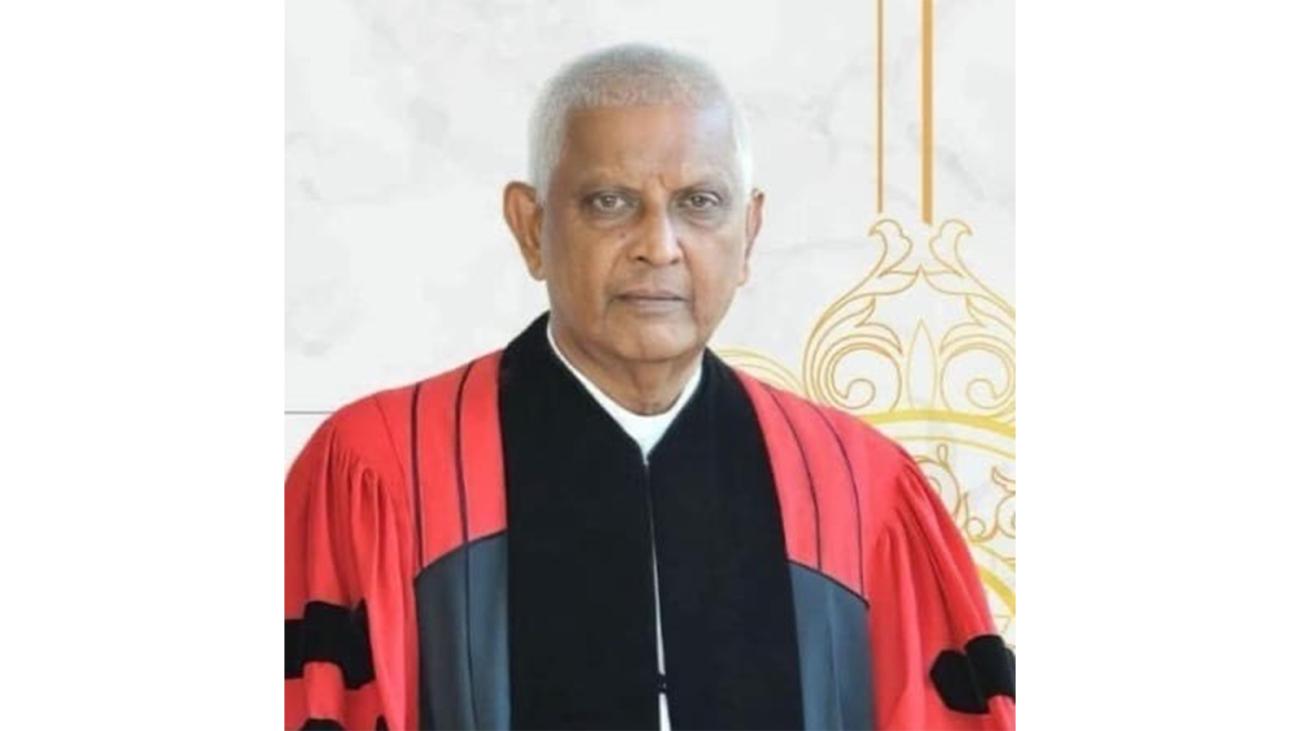
    Picture credit: AHRC

    Chiang Mai, Thailand: W. J. Basil Fernando, a veteran human rights defender and former Executive Director of the Asian Human Rights Commission (AHRC), passed away in Hong Kong on Wednesday, 30 September 2026. He was 81 years old.

    Basil Fernando was a close associate of the Christian Conference of Asia (CCA) for many years, particularly when CCA was based in Hong Kong. Over the past three decades, he served as a resource person for numerous human rights training programmes organised by the CCA and the World Council of Churches.

    CCA General Secretary Rev. Jung Eun Grace Moon expressed heartfelt condolences upon receiving the news of his passing. “Basil Fernando was a committed human rights activist who devoted his entire life to upholding the human dignity of marginalised and voiceless people, especially those at the grassroots in Asia. CCA mourns his passing and keeps his family and loved ones in our thoughts and prayers during this time of grief.”

    Mr Fernando led the Asian Human Rights Commission (AHRC), a human rights advocacy platform CCA initiated in the 1980s as part of its international affairs and human rights programme, for nearly two decades. He joined the AHRC when it was based at the CCA headquarters in Hong Kong and began his work as its sole staff member. Subsequently, the AHRC’s staff structure and networks expanded.

    Basil Fernando’s vision provided new impetus to human rights advocacy and protection in the region and was widely acclaimed by the international community. His strategy of assisting victims of human rights violations and empowering activists within communities who supported those victims, rather than promoting human rights primarily from urban centres, inspired numerous young human rights activists across Asia.

    While practising as a criminal lawyer in Sri Lanka, he became concerned by the growing politicisation and corruption of Sri Lanka’s justice system, and began resisting developments that were undermining the legal profession. In 1989, after his name was placed on a death list during a period marked by widespread enforced disappearances, he was forced to flee Sri Lanka.

    From 1992 and 1994, he served with the Human Rights Component of the United Nations Transitional Authority in Cambodia (UNTAC) and the United Nations Centre for Human Rights. These experiences shaped the approach he later brought to the AHRC, which he led from 1994.

    Basil Fernando was a laureate of the Right Livelihood Award, receiving the honour in 2014 “for his tireless and outstanding work to support and document the implementation of human rights in Asia.”

    He was also a Senior Ashoka Fellow, a Sohmen Visiting Scholar in Law at the University of Hong Kong, and the recipient of the 2001 Gwangju Prize for Human Rights in South Korea. Beyond his human rights work, he was a distinguished poet and creative writer who wrote extensively in both Sinhala, his mother tongue, and English.

    His burial will take place in his native country, Sri Lanka.