MESAP Youth Programme strengthens leadership, resilience, and hope among young people from Myanmar
Programme Review and Programme Direction

Two key deliberative sessions during the 15th CCA General Assembly are the Programme Review and Programme Direction sessions.

The Programme Review and Programme Direction sessions will both be conducted in three groups relating to the CCA’s programme areas, namely, (i) General Secretariat (GS), (ii) Mission in Unity and Contextual Theology (MU) and Ecumenical Leadership Formation and Spirituality (EF); and (iii) Building Peace and Moving Beyond Conflicts (BP) and Prophetic Diakonia (PD).

Assembly participants will have the option to join one of three groups for both the Programme Review and Programme Direction sessions. For the sake of coherence, the assigned group will remain the same for both sessions.

General Secretariat

The General Secretariat oversees the coordination of programmatic, administrative, and financial activities of the organization. The GS comprises various departments such as church and ecumenical relations, relations with ecumenical partners, finance, administration, and communications, which provide crucial support and services for the implementation of programs and contribute to the overall functioning of the CCA.

Programmes: Relations with member churches and councils, ecumenical partners; advocacy at the United Nations; ecumenical responses to emerging issues in solidarity; income development and finance; and communications.

Mission in Unity and Contextual Theology (MU) and Ecumenical Leadership Formation and Spirituality (EF)

Under the MU programme area, the CCA accompanies Asian churches to strengthen their mission and witness in multi-religious contexts, revitalise and nurture church unity and the Asian ecumenical movement, and develop contextual theological foundations.

Programmes: Asian Movement for Christian Unity (AMCU); Congress of Asian Theologians (CATS); Asian women doing theology in the context of wider ecumenism; contextualisation of theology in Asia and ecumenical theological education.

The EF programme area focuses on nurturing and developing ecumenical leaders in Asia. The programme aims to enhance spiritual formation and theological understanding, enabling people to actively engage in ecumenical dialogue and collaboration.

Programmes: Ecumenical Enablers’ Training in Asia (EETA); Asian Ecumenical Institute (AEI); Youth and Women Leadership Development; Ecumenical Spirituality and Nurturing of Contextual Liturgical Traditions; Asia Sunday

Building Peace and Moving Beyond Conflicts (BP) and Prophetic Diakonia and Advocacy (PD)

The BP programme area is dedicated to promoting peace, justice, and reconciliation in Asia’s diverse contexts. Through training, advocacy, and dialogue, the programme addresses the root causes of conflicts, empowers communities, and fosters sustainable peacebuilding initiatives.

Programmes: Pastoral Solidarity Visits; Churches in Action for Moving Beyond Conflict and Resolution; Young Ambassadors of Peace in Asia (YAPA); Ecumenical Women’s Action Against Violence (EWAAV); Eco-Justice for Sustainable Peace in the Oikos.

The PD programme area focuses on promoting justice, human rights, and social transformation in Asia. Through advocacy, capacity-building, and raising awareness, the programme addresses systemic injustice, empowers marginalised communities, and advocates for prophetic actions and meaningful change.

Programmes: Human Rights advocacy; Migration, Statelessness, and Trafficking in Persons; Asian Ecumenical Disability Advocacy Network; Asian Advocacy Network on the Dignity and Rights of Children (AANDRoC); Ecumenical Solidarity Accompaniment and Diakonia in Asia (ESADA); Health and Healing; Good Governance; Action Together to Combat HIV and AIDS in Asia (ATCHAA).

No preference updated.

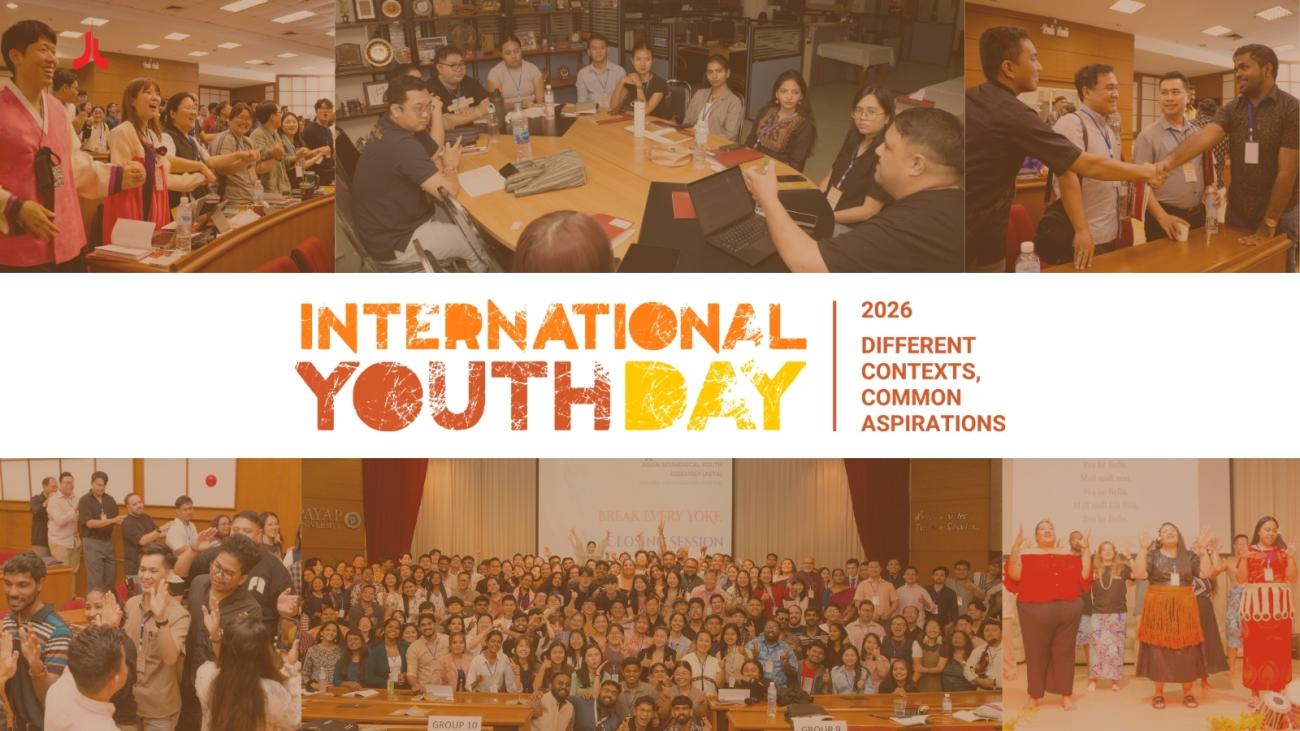
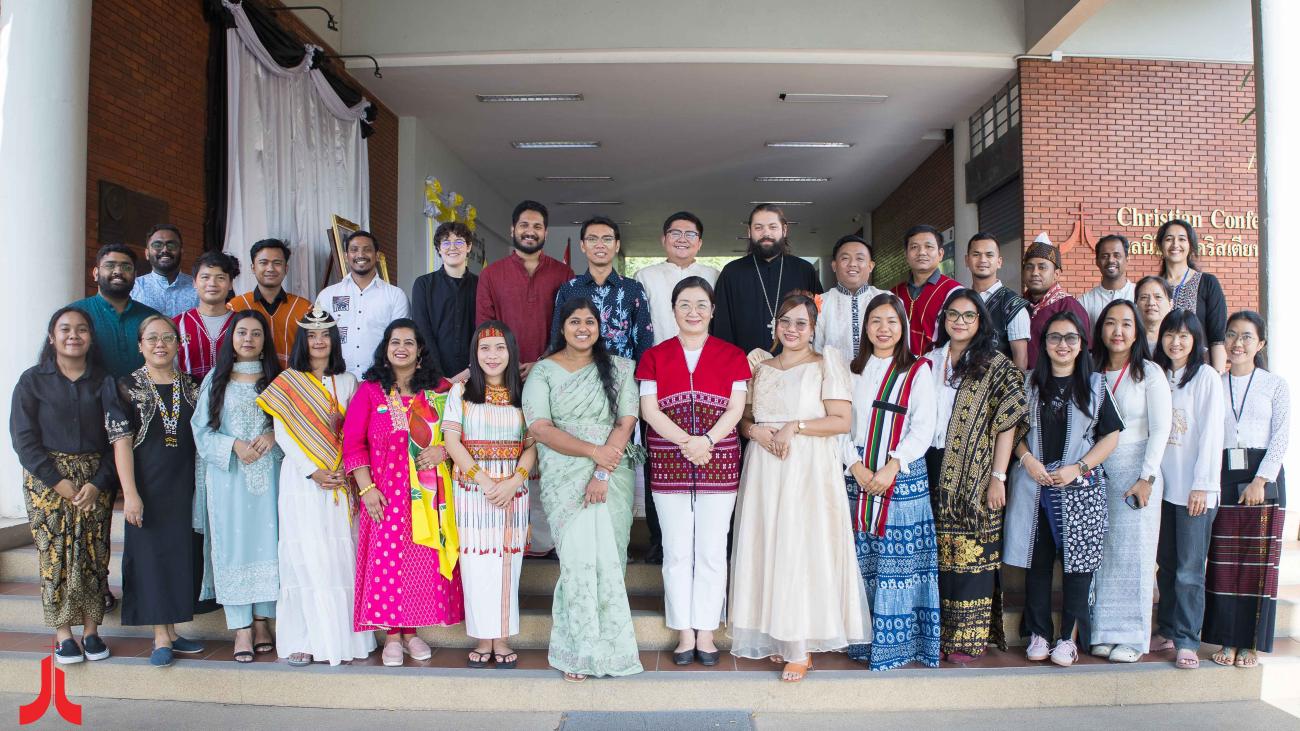
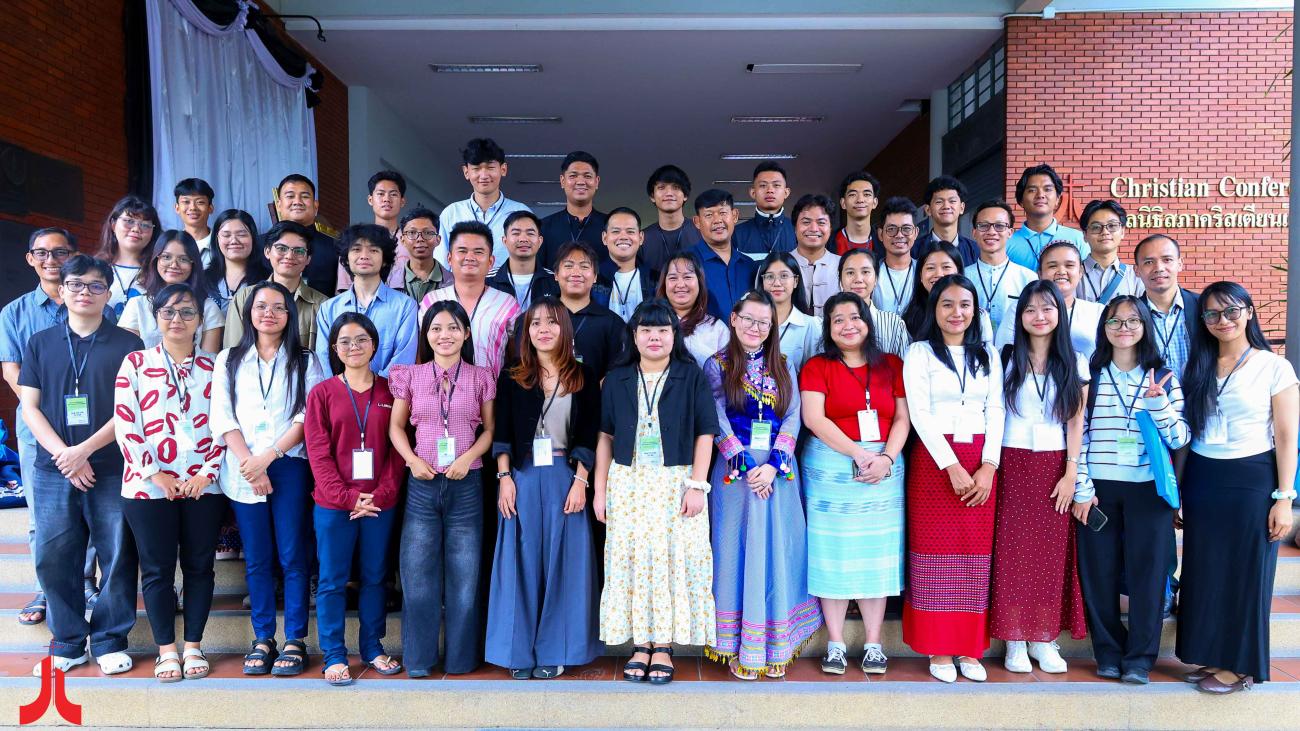
    Participants of the MESAP Youth Programme 2026

    Chiang Mai, Thailand: Reaffirming the vital role of young people as key agents of peacebuilding and community transformation, the Christian Conference of Asia (CCA) organised a youth accompaniment and leadership development programme under its Myanmar Ecumenical Solidarity Accompaniment Programme (MESAP) from 27 September to 1 October 2026 in Chiang Mai, Thailand.

    Held under the theme “Resilience, Healing, and Accompaniment Amidst Crisis,” the programme brought together 44 young people from Myanmar and the Myanmar diaspora living across Southeast Asia.

    Representing CCA member churches, member councils, local groups, and community organisations, participants gathered to reflect on their realities, strengthen resilience, and explore the role of youth in fostering hope and positive change within their communities.

    A key component of the programme focused on understanding the current situation in Myanmar and its impact on young people. Participants reflected on the importance of listening to youth voices and explored how their choices, relationships, and actions can contribute to strengthening resilience and responding to challenges within their communities.

    Emphasis was placed on resilience-building and holistic well-being. Through guided discussions and personal reflection, participants explored practical approaches to coping with adversity, including the “5 Rs” framework—Response, Reality Check, Resource, Recharge, and Reframe. Sessions highlighted self-awareness, emotional well-being, acceptance, and the importance of responding rather than reacting to difficult situations.

    The participants also examined the role of physical and mental health, self-care, and supportive relationships in sustaining resilience. They were encouraged to view resilience not as an innate trait but as a capacity that can be developed through experience, intentional practice, and community support. The concept of Agape was also explored as a foundation for solidarity and accompaniment, with discussions highlighting how compassion, empathy, and mutual care can sustain hope and strengthen communities during challenging times.

    Leadership development formed another central focus of the MESAP youth programme. Participants reflected on leadership as a shared responsibility that involves empowering others, fostering participation, and preparing future generations. Discussions encouraged collaborative approaches that strengthen community ownership and collective action.

    The programme also introduced deep listening as an essential leadership practice. By learning to listen attentively, reflectively, and with awareness of broader realities, participants explored ways of building trust, empathy, and meaningful relationships within their communities.

    Through biblical reflections, participants were invited to connect leadership and community engagement with Christian values of solidarity, compassion, wisdom, and service. Drawing on the image of being “the salt of the earth” and “the light of the world,” they reflected on their identity and calling to contribute positively to society through faithful witness and service.

    The programme concluded with a renewed commitment among participants to strengthen networks of solidarity, challenge narratives of division and hopelessness, and work towards a future rooted in hope, justice, and peace.