Churches urged to strengthen child protection and support children’s recovery through trauma-informed care
Chiang Mai, Thailand: Churches have a vital role in preventing child abuse and exploitation and must move beyond written policies to implement effective safeguarding measures and provide trauma-informed care for children affected by exploitation, experts urged on the second day of the International Consultation on Strengthening Responses to Child Trafficking in Asia.
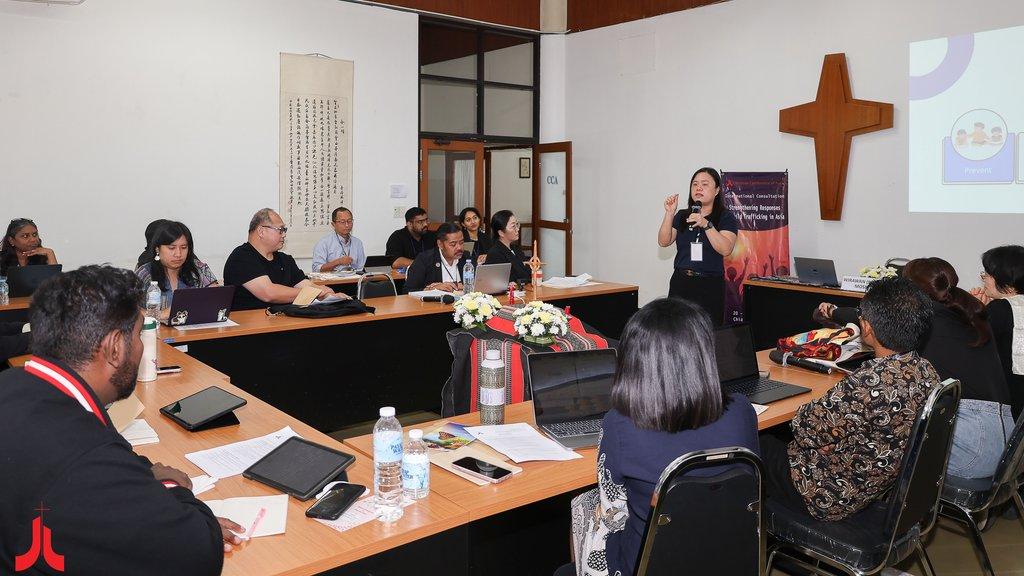
Boom Mosby leading the session on "From Safeguarding to Response: Strengthening Capacity of Churches to Protect Children"
Chiang Mai, Thailand: Churches have a vital role in preventing child abuse and exploitation and must move beyond written policies to implement effective safeguarding measures and provide trauma-informed care for children affected by exploitation, experts urged on the second day of the International Consultation on Strengthening Responses to Child Trafficking in Asia.
Wirawan (Boom) Mosby, Founder and Director of The HUG Project Thailand, led the session “From Safeguarding to Response: Strengthening Capacity of Churches to Protect Children”. Drawing on her extensive experience in preventing child sexual abuse and human trafficking, protecting children at risk, and supporting survivors, she shared practical approaches to strengthening the capacity of churches to safeguard children.
Ms Mosby stressed the importance of equipping children to recognise unsafe situations and seek help. She urged churches and communities to move beyond conventional lessons on “good touch” and “bad touch” to address “confusing touches”, explaining that inappropriate behaviour may begin with seemingly harmless gestures. She noted that children may struggle to recognise abuse when the person involved is someone they know and trust, particularly someone in a position of authority. Safeguarding education should therefore be engaging and age-appropriate, helping children understand personal boundaries, recognise unsafe situations and identify trusted adults they can approach for support.
She emphasised that every church, institution, and organisation must have a child protection policy tailored to its specific context and risks, with regular reviews to ensure it remains relevant and effective. Churches should assess their activities, environments and interactions with children to identify potential risks and establish preventive measures. Essential safeguards include safe recruitment procedures and background checks, staff training, signed codes of conduct, clear reporting and referral pathways, and independent oversight. Ms Mosby also highlighted the importance of addressing child discipline, positive parenting, media and communication practices, and spiritual abuse in child protection policies. She stressed that effective implementation requires ongoing training, adequate resources and clear accountability.
Ms Mosby also underscored the importance of responding to safeguarding concerns and engaging with affected children sensitively and respectfully, prioritising their safety, dignity and emotional well-being without inducing shame or blame. She called on churches to become trauma-informed communities where trust, relationships and emotional safety take precedence over punitive discipline, and where children feel safe to share their concerns without fear of punishment, rejection or shame.
Malaysian trauma therapist and anti-trafficking specialist Helen Avadiar-Nimbalker, in her presentation, focused on the mental health and well-being of children affected by exploitation, highlighting the importance of understanding trauma, restoring children’s sense of agency and building communities of care.
Founder and CEO of Rise Foundation Asia and Director of Asia Freedom Network, Ms Avadiar-Nimbalker emphasised that whether described as trafficking, slavery, forced labour or online exploitation, all forms of exploitation constitute violence and abuse against children. Children cannot consent to exploitation, and its potential impact on their development must be recognised. She explained that trauma affects each child differently, depending on their age, developmental stage, relationships, previous experiences and access to support. She stressed that effective care begins with understanding each child’s current needs. While professional clinical assessment may be necessary, everyone has a role to play in helping children feel safe and supported.
Ms Avadiar-Nimbalker also highlighted the adverse psychological impact of technology-facilitated abuse. The continued availability and circulation of abusive images, coupled with the fear of being disbelieved, can intensify shame and self-blame. These effects extend beyond the digital environment, affecting children’s emotional well-being and everyday lives. She stressed the importance of listening without judgement and reassuring children that they are not responsible for the abuse they have experienced.
To support recovery, Ms Avadiar-Nimbalker introduced participants to the Three Rs framework: Regulate, Relate and Reason. This approach involves helping children manage overwhelming emotions and feel safe, building trust through consistent care, and encouraging reflection and problem-solving once they feel emotionally secure. She emphasised that children need safety and connection before they can begin to process difficult experiences.
Ms Avadiar-Nimbalker underscored the vital role churches can play in children’s recovery by serving as trusted community networks that provide safe, accepting spaces and sustained relationships where children feel heard, supported and cared for. She stressed that recovery requires consistent care beyond one-off interventions and highlighted the importance of supporting caregivers, church workers and professionals who may experience secondary trauma.
Rev. Jobin E. T Abraham of the Malankara Mar Thoma Syrian Church offered a biblical reflection titled “Ninety-Nine Is Not Enough: A Theology of the Child in the Midst,” drawing on Matthew 18:1–14 to highlight the church’s responsibility to protect children from trafficking and exploitation.
Rev. Jobin Abraham emphasised placing children, particularly those from poor and marginalised communities, at the centre of the church’s mission and called for practical action through prevention, collaboration with child protection authorities, survivor-centred recovery and advocacy. Drawing on Jesus’ parable of the lost sheep, he urged churches to actively seek out and support every child at risk, ensuring that none is overlooked or abandoned.
Photo Gallery: International Consultation on Strengthening Responses to Child Trafficking in Asia