Asian churches called to strengthen safeguarding measures to protect children from trafficking and exploitation
Chiang Mai, Thailand: The Christian Conference of Asia’s (CCA) International Consultation on Strengthening Responses to Child Trafficking in Asia concluded with a clarion call to churches and ecumenical bodies across Asia to strengthen institutional safeguarding policies, establish effective child protection mechanisms, and ensure accountability in preventing child trafficking and exploitation.
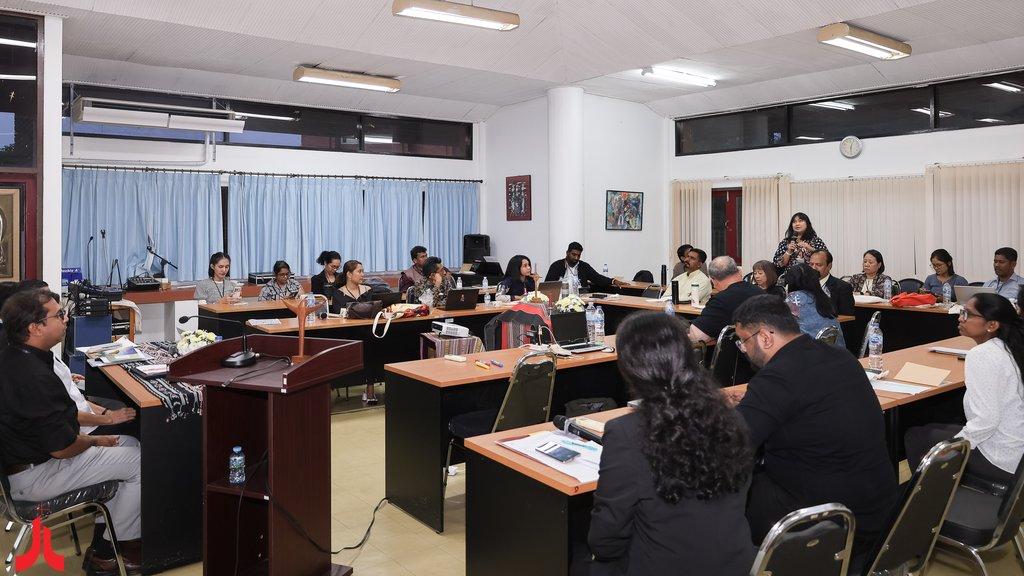
Chiang Mai, Thailand: The Christian Conference of Asia’s (CCA) International Consultation on Strengthening Responses to Child Trafficking in Asia concluded with a clarion call to churches and ecumenical bodies across Asia to strengthen institutional safeguarding policies, establish effective child protection mechanisms, and ensure accountability in preventing child trafficking and exploitation.
A communiqué adopted at the end of the three-day consultation called on churches to translate their commitment to protecting children into concrete institutional and community-level action. It urged churches to incorporate issues related to human trafficking, child trafficking and child exploitation, including exploitation in the digital world, into their official documents, policies and governance frameworks.
Churches were called to develop and implement comprehensive child protection and safeguarding policies, establish clear reporting and referral mechanisms and provide regular training for clergy, church workers, Sunday School teachers, and volunteers. The communiqué also highlighted the need for safe, accessible, and child-friendly mechanisms that enable children to report abuse, express concerns and participate in decisions affecting their safety and well-being.
Emphasising the importance of accountability, the communiqué stressed that churches must receive disclosures with care, prioritise children’s immediate safety, and report concerns through appropriate channels to ensure that investigations and protection assessments are undertaken by qualified professionals. It called on churches to reject the concealment of abuse and the protection of perpetrators, while adopting trauma- and shame-informed practices that eliminate stigma around disclosing abuse.
The communiqué also called for stronger collaboration with government agencies, law enforcement authorities, non-governmental organisations, and child protection professionals to establish effective referral pathways and ensure that survivors have access to appropriate medical, psychological, legal and pastoral support. It further highlighted the need to address the underlying conditions that expose children to trafficking and exploitation, including systemic poverty, inequality, discrimination, displacement and harmful cultural practices.
Recognising the growing crisis of digital child exploitation, the communiqué called for greater digital literacy among families and communities to help protect children online. It emphasised the need to equip churches to recognise online abuse and exploitation, respond appropriately and ensure that child survivors have access to professional care. It also affirmed children’s right to know their rights and called for child-centred, trauma-informed approaches that respect survivors’ dignity and choices, challenge stigma and victim-blaming, and accompany them throughout their recovery.
The international consultation, which concluded on 23 October 2026, brought together 30 representatives of CCA member churches, member councils, faith-based organisations and other NGOs working to combat child trafficking across Asia, with the aim of strengthening the capacity of Asian churches to prevent and respond to child trafficking and exploitation.