International Symposium adopts Chiang Mai Ecumenical Declaration for Papua
Chiang Mai, Thailand: The International Symposium on Papua, organised by the Communion of Churches in Indonesia (PGI) in collaboration with the Christian Conference of Asia (CCA), called for an end to violence, stronger humanitarian protection and inclusive dialogue towards justice and lasting peace in Papua, Indonesia.
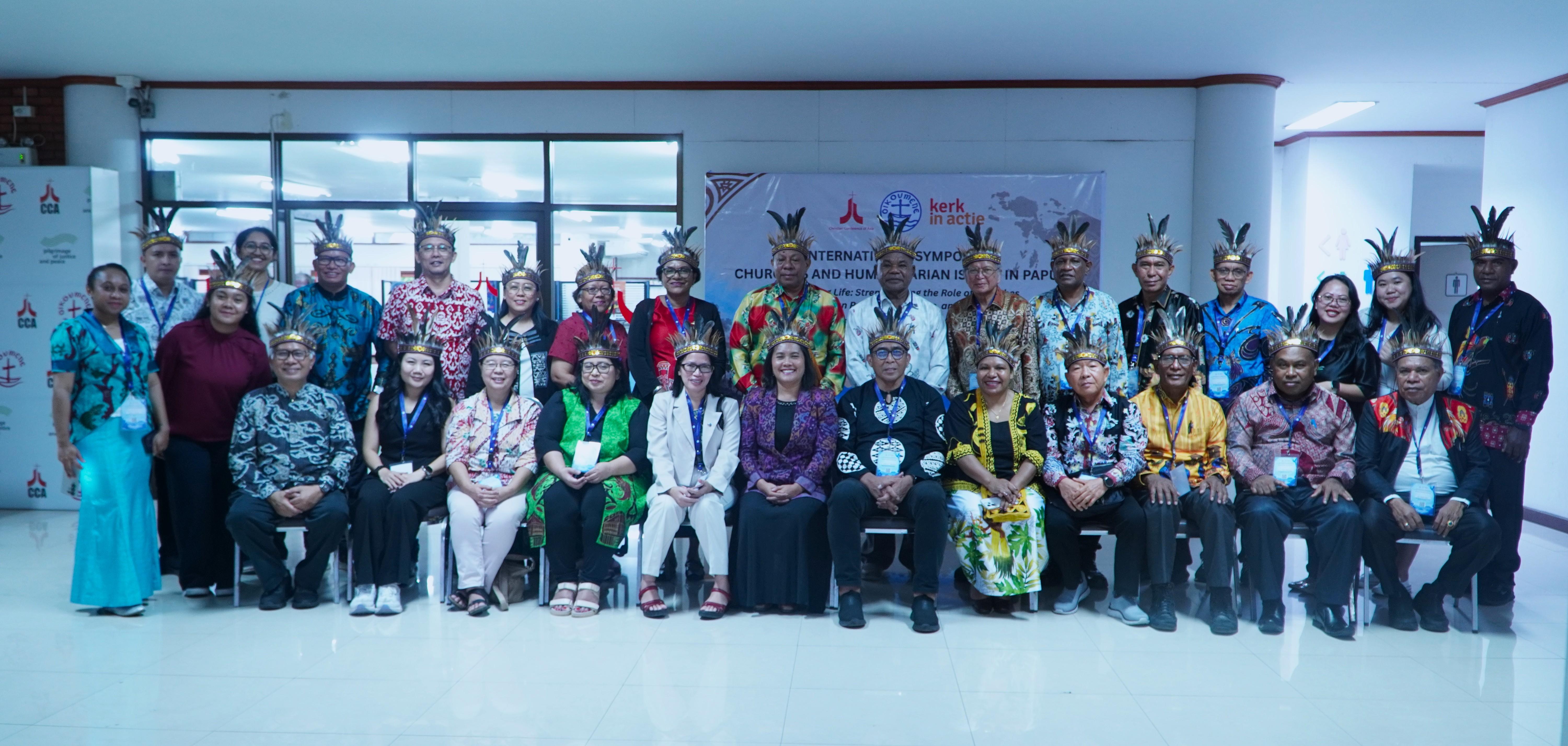
Chiang Mai, Thailand: The International Symposium on Papua, organised by the Communion of Churches in Indonesia (PGI) in collaboration with the Christian Conference of Asia (CCA), called for an end to violence, stronger humanitarian protection and inclusive dialogue towards justice and lasting peace in Papua, Indonesia.
The symposium, held under the theme “Choosing Life: Strengthening the Role of Churches in Humanitarian Protection, Justice, and Peace in Papua”, took place at the CCA headquarters on the Payap University campus in Chiang Mai from 28 September to 2 October 2026.
Building on the recommendations of the Manokwari Pre-Symposium held in April 2026, the symposium brought together around 45 participants, including church leaders, Indigenous representatives, ecumenical partner, academics, and humanitarian practitioners, to bring the concerns and recommendations from Papua into a broader Asian and international ecumenical dialogue.
Participants heard testimonies and analyses of armed violence, civilian casualties, internal displacement, threats to Indigenous lands and livelihoods, and environmental destruction. Discussions highlighted the experience of Papuan churches and communities and the need to address the root causes of conflict beyond a security-based approach.
The symposium concluded with the adoption of the Chiang Mai Ecumenical Declaration for Papua, inspired by the biblical call in Deuteronomy 30:19, “Choose life, so that you and your descendants may live.”
The Declaration affirms the churches’ responsibility to defend human dignity, protect vulnerable communities and creation, and pursue justice, reconciliation and peace. Expressing concern that persistent violence and suffering risk becoming normalised, it declares: “Violence must never become normal in Papua.”
The Declaration sets out five key priorities: ending violence and protecting civilians; responding collectively to displacement and humanitarian needs; establishing an inclusive religious-humanist dialogue grounded in faith and Indigenous traditions; safeguarding the rights of Indigenous Papuans, including their rights to land, identity, and culture; and sustaining international ecumenical attention and advocacy based on verified information and the direct participation of Papuan communities.
It also calls on government institutions, churches, humanitarian partners, and HONAI, an ecumenical crisis-response platform established by Protestant and Catholic churches in Papua, to strengthen humanitarian assistance, protection for vulnerable groups, access to basic services, and the recovery of conflict-affected communities.
Participants committed to accompanying displaced and conflict-affected communities, strengthening peace education and reconciliation, and promoting the meaningful participation of women, children, and young people in humanitarian action, peacebuilding, and decision-making.
From Chiang Mai, Churches Choose Life for Papua (PGI News Release)